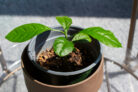
Nothing adds that perfect Mediterranean vibe to your home like a potted lemon tree (*Citrus x limon*). And let’s be honest—the best part isn’t just the gorgeous look of the tree, but actually being able to harvest your own homegrown lemons! However, if you want to see those little green nubs turn into juicy yellow fruit, there’s one big requirement: pollination.
The Basics of Pollination
In the plant world, pollination is basically how seed-bearing plants reproduce. It’s the essential “must-have” for fruit to form. Usually, this process results in seeds that can grow into new plants. In nature, this happens in two main ways:
- Cross-pollination
- Self-pollination
You might also hear botanists talk about “parthenocarpy.” That’s just a fancy word for fruit that develops without fertilization. In these cases, the lemons won’t have any seeds, but don’t worry—they still taste great and are perfectly fine to eat!
How Lemon Trees Get the Job Done
For a lemon tree to produce fruit, the pollen needs to get where it’s going. Nature has a few clever ways of making this happen:
- Insects
- Wind
- Self-fertilization
The Busy Bees
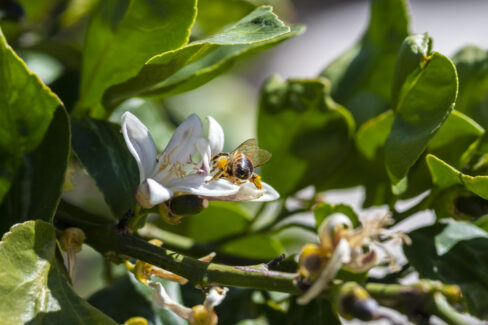
Lemon trees produce beautiful white-to-purple blossoms that smell amazing. This scent is a magnet for bees and bumblebees looking for sweet nectar. As they hop from flower to flower, pollen sticks to their fuzzy bodies and gets brushed off onto the stigma of the next bloom.
The Breeze
With wind pollination, the air does the heavy lifting. Pollen grains are carried by the breeze and, with a little luck, land right where they need to be. This usually happens alongside insect pollination, but it’s a great “plan B” for the plant if the bees aren’t active.
Self-Fertilization
Lemon trees are actually pretty self-sufficient. In many cases, the stamens (the male part) come into direct contact with the stigma (the female part) just by the flower opening or closing. Because citrus plants are so good at this, they can often produce fruit even without help from the wind or bugs.
Caring for Your Potted Lemon Tree
If you have a potted lemon tree, it generally follows the same rules. If your tree spends its summer on the balcony, the local bees and the summer breeze will take care of most of the work for you.
But what if your tree stays indoors? Don’t worry, you can still get a harvest! You can play “matchmaker” by giving the plant a very gentle shake while it’s in bloom to mimic the wind. Just keep in mind that if your tree doesn’t get the fresh air and direct sun of a balcony, your lemon harvest might be a little smaller than an outdoor tree’s.