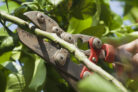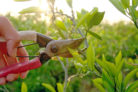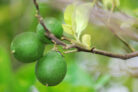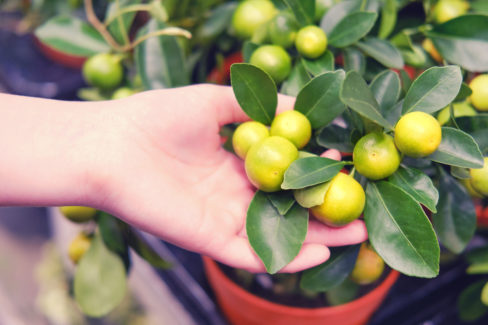
Limes are some of the most rewarding citrus plants to grow because of their naturally dense, bushy shape. However, if you want a harvest full of juicy fruit, you can’t just let them go wild. Regular pruning and thinning out the canopy are absolute must-ops for a healthy tree.
Spring Pruning
The best time to give your lime tree a haircut is in the early spring. Once you bring your tree out of its winter quarters, it likely won’t have many leaves yet. This is actually perfect! It’s much easier to see the structure of the branches and decide exactly which shoots need to go.
Your first priority should be removing any dead wood or brittle branches. Next, look for “water sprouts”—those thin, leggy shoots that popped up over the winter. You can spot them easily because they’re a much lighter green than the rest of the tree. These suckers won’t produce fruit; they just sap the plant’s energy. Only the sturdy shoots that develop during the main growing season have the potential to give you limes down the road.
Thinning Out the Canopy
Because lime trees grow so compactly, you really need to thin out the center of the crown every spring. Focus on removing branches that are growing inward toward the trunk. If you leave them, they’ll eventually get shaded out, drop their leaves, and leave the center of your tree looking bare and leggy.
Don’t be too shy when thinning! Branches that don’t get enough light aren’t just unproductive; they’re a drain on the tree’s resources and often die off anyway. Plus, a dense, tangled interior is a playground for pests. It’s much harder to spot bugs or early signs of disease if you can’t see into the middle of the tree. Keeping things airy makes maintenance a breeze.
Keep Your Tools Clean
Whenever you’re pruning your lime tree, make sure your shears are sharp and, more importantly, clean. Dirty tools are the fastest way to spread fungal infections or bacteria from one plant to another. Those fresh cuts are like open wounds where pathogens can easily enter.
If you need to take off a larger branch—maybe you’re doing some “rejuvenation pruning” on an older tree—be sure to seal the cut with a good quality grafting wax or tree wound sealer to keep the plant protected while it heals.