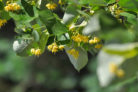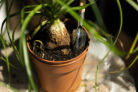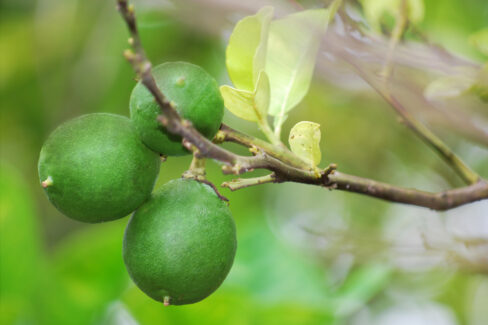
Growing your own lime tree in a pot is a total game-changer for home mojitos, but let’s be real: it’s a bit of a challenge. Limes can be pretty finicky, and one of the most common (and stressful!) things that happens is your tree suddenly dropping its leaves.
Leaf Loss After Buying Your Tree
We’ve all been there—you see a gorgeous lime tree at the garden center, looking lush, pest-free, and maybe even loaded with ripening fruit. You bring it home, and within a few weeks, it starts dropping leaves and fruit like crazy.
The culprit? Stress. Your plant is basically going through “moving day” anxiety. To help it settle in, you need to mimic the tropical conditions where lime trees naturally grow. That means lots of warmth and high humidity.
Pro tip: Try to buy your lime tree in the summer. If you buy one in the fall or winter, the shock of moving it from a warm store through a chilly parking lot to your car can be enough to trigger a leaf drop.
Watering Habits
Lime trees are the “Goldilocks” of the citrus world when it comes to water—they don’t like too much, and they don’t like too little. Overwatering is especially dangerous; it leads to waterlogging, which can kill the tree entirely, not just cause leaf loss.
How to get the watering just right:
- Use a high-quality citrus potting mix.
- Add a layer of expanded clay pebbles at the bottom for drainage.
- Only water when the top layer of soil feels dry to the touch.
- Never let the pot sit in a saucer full of standing water—always dump the excess.
If your tree is already dropping leaves because the soil is soggy, you need to act fast. Repot it immediately! Gently wash the old soil off the roots to get rid of any rot-causing bacteria. Trim away any mushy or damaged roots with clean shears, then repot in fresh soil. Wait a day or two before you give it its first light watering.
Winter Leaf Drop
If you’re overwintering your lime tree indoors or in a protected spot, don’t panic if it loses some leaves. This is actually a natural survival tactic. During the winter, there isn’t enough sunlight for the tree to keep up with photosynthesis, so it sheds leaves to conserve energy. Just keep a close eye on it—since some leaf drop is normal, it’s easy to miss signs of pests or other issues during the off-season!