Long-blooming plants are the secret to a gorgeous garden that stays vibrant all season long. Whether they have an extra-long flowering window or bloom in multiple waves, these “marathon” plants are total game-changers. Here are some of the most popular long-bloomers and what makes them so special.
[[plants]]
++Bee Blossom (Gaura)
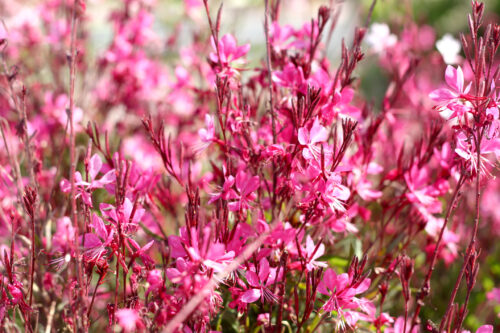
Gaura, often called Bee Blossom or Wand Flower, produces a cloud of elegant, delicate little flowers that instantly catch the eye. These white or pink blooms float on tall stems and can last right up until the first winter frost. Because the flowers sit high above the foliage, you can spot them from across the yard. Plus, Gaura is a champion at self-seeding—if you pick the right spot, you’ll likely see new baby plants popping up next spring without lifting a finger.
++Shasta Daisy (Leucanthemum superbum)
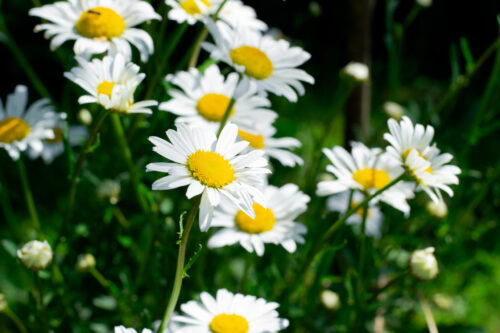
The Shasta Daisy gives you that classic, cheery white-and-yellow look that everyone loves. These beauties can grow up to 30 inches tall and start showing off in May. To keep the flower show going all the way through September, make sure to deadhead (snip off) the spent blooms. This encourages the plant to keep producing new flowers. For the best results, plant your daisies in a sunny spot with plenty of nutrients in the soil.
++Iceland Poppy (Papaver nudicaule)
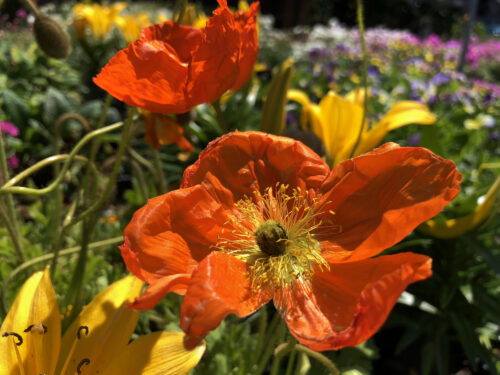
Poppies are a garden staple, and the Iceland Poppy is a standout for its crinkly, paper-like petals and vibrant colors. These are surprisingly low-maintenance and can handle drier soils quite well. While they typically bloom from May to August, they can actually keep going until October if they’re really happy in their environment. Just keep in mind that these are usually grown as annuals or short-lived perennials.
++May Night Sage (Salvia nemorosa)
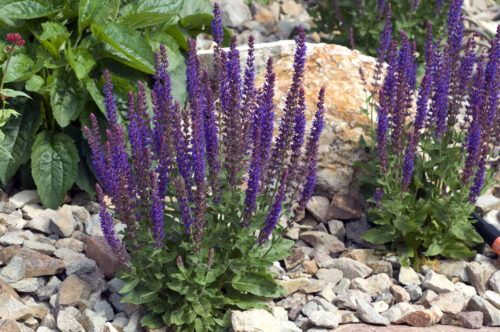
With its stunning deep blue and purple spikes, Woodland Sage (Salvia) looks a lot like lavender but is much easier to grow in many climates. It’s hardy, blooms for about eight weeks, and loves the sun. To give it a boost, try mixing some compost or humus into the soil. Just be careful with the hose—Salvia hates “wet feet” (soggy soil). Pro tip: Cut the plant back after the first round of flowers fades to encourage a second flush of blooms!
++Catmint (Nepeta)
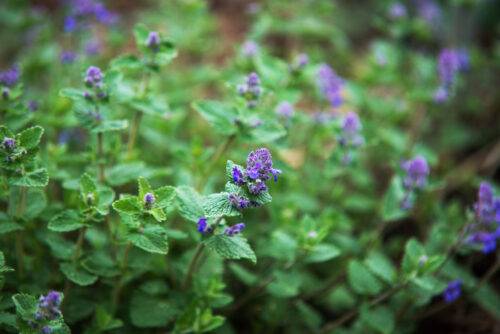
Catmint is a versatile favorite that comes in shades ranging from blue and purple to white, pink, or even red. When it’s well-cared for, it blooms from June through September and releases a lovely, light citrus scent. It thrives in full sun and loose, well-draining soil. Like Salvia, it’s important not to overwater it; good drainage is key to keeping Catmint happy.
++Large-Flowered Tickseed (Coreopsis grandiflora)
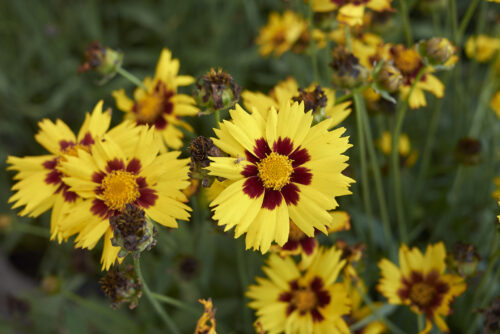
If you want a burst of sunshine, Coreopsis is the way to go. These golden-yellow flowers start appearing in June and keep the party going well into the fall. Growing about 15-20 inches tall, they offer a long blooming season during the height of summer. Keep them deadheaded to encourage new buds. They do best in sandy, well-drained soil enriched with a little organic matter.
++Purple Coneflower (Echinacea purpurea)
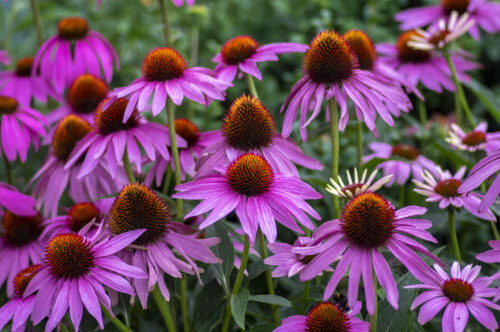
Most people know Echinacea for its medicinal uses, but it’s also a powerhouse in the flower bed. Purple Coneflowers produce striking, long-lasting blooms that usually start in May and can stick around until October. The fact that they are hardy perennials makes them an incredibly low-maintenance choice for any gardener. It’s no wonder they’re a staple in American backyards!