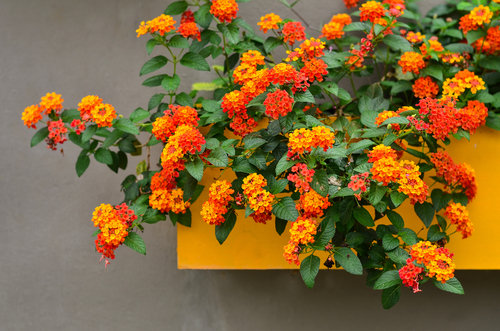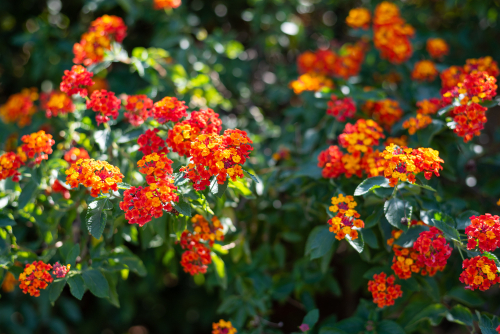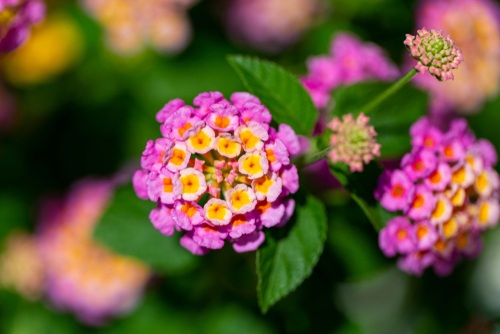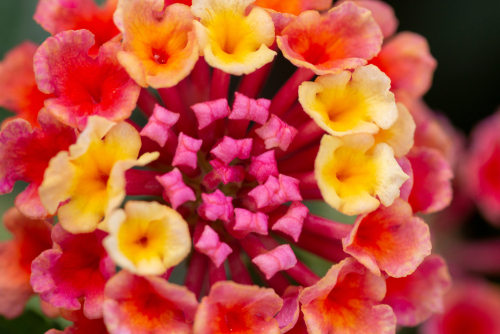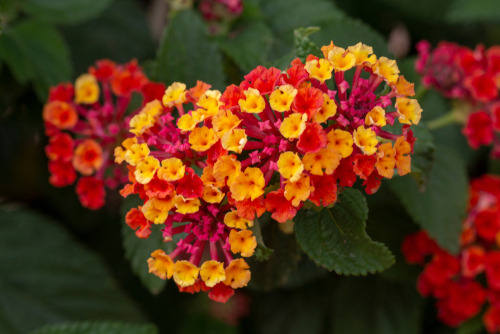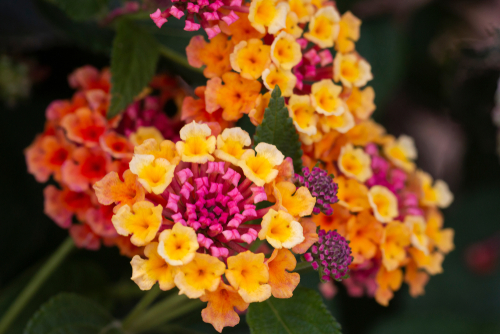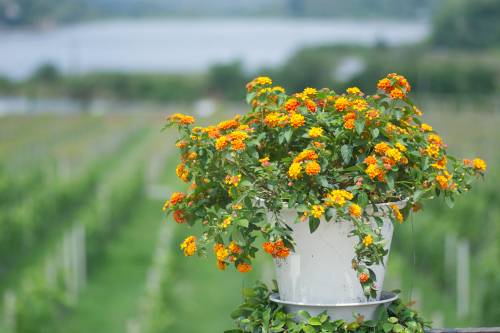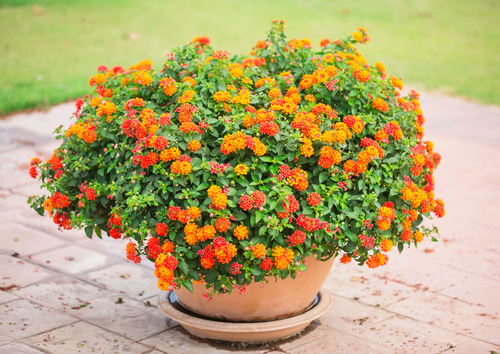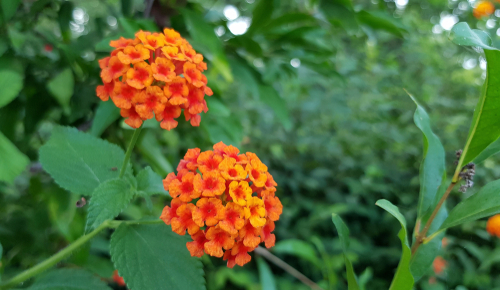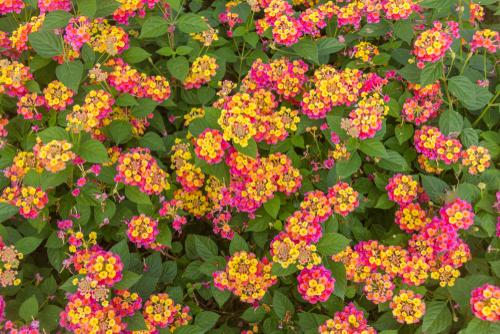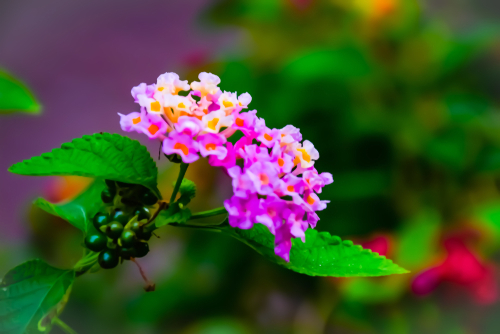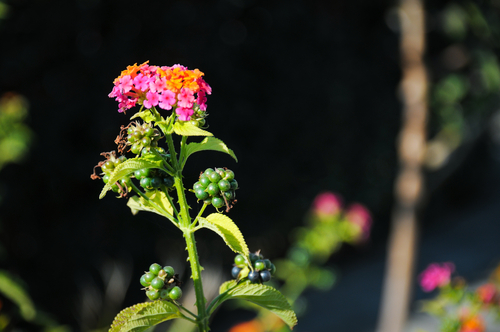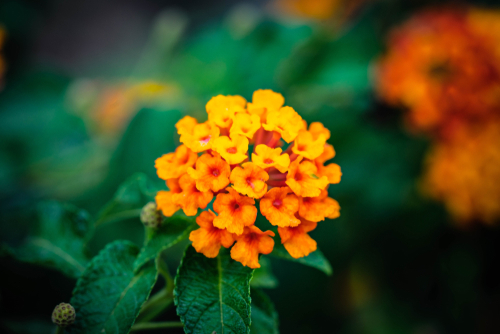
Lantanas are huge favorites for patio containers, mostly because of their cool “magic trick”—their flowers actually change colors as they age! But if your plant stops blooming altogether, it can be a total bummer. Don’t worry, though; if your lantana is acting up, there are a few easy ways to get those vibrant colors back.
Check the Sun Exposure
One of the most common reasons a lantana stops flowering is simply a lack of sunlight. These plants are total sun-worshippers! They thrive best in full, direct sun. If you’re keeping yours on a balcony, a south-facing spot is your best bet. If your plant is looking a bit green but bare, the first thing you should do is check if it’s spending too much time in the shade.
Fuel Up with Nutrients
Lantanas don’t just produce colorful flowers; they usually produce *a lot* of them. All that blooming takes a ton of energy. If the plant isn’t getting the “fuel” it needs, the flowers are usually the first thing to go. If your blooms are missing in action, double-check your fertilizing routine. They specifically need plenty of minerals and trace elements. The easiest way to keep them happy is to mix some organic compost or horn meal into the soil.
Take it Easy on the Pruning
Here’s a pro tip: Lantanas only grow new flowers on young, fresh wood. Because of this, pruning your plant can actually reduce the number of blooms you see—and the more you hack away, the fewer flowers you’ll get. While lantanas are pretty fast growers and will bounce back, you should avoid any heavy-duty pruning once late spring hits so you don’t accidentally snip off all the potential flower buds.
To recap, if your lantana isn’t blooming, it’s likely due to:
- Not enough direct sunlight.
- A lack of nutrients in the soil.
- Cutting off flower buds by pruning too late in the season.