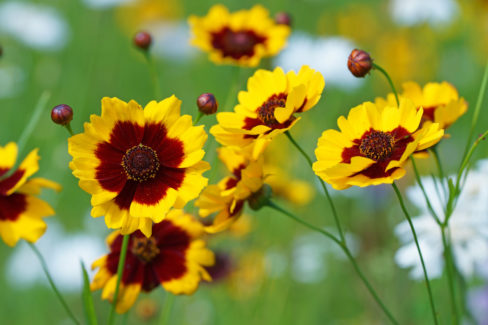
Coreopsis—or “Tickseed,” as many of us call it—is a total superstar in the garden. It’s not just loved for being incredibly low-maintenance and easygoing; when summer hits, this plant puts on a massive show with a non-stop explosion of colorful blooms.
The Blooming Season
One of the best things about Coreopsis is that its flowering window lasts for weeks, even months. It’s a bit of a relay race: the flowers don’t all pop at once. While the early birds are starting to fade, you’ll see plenty of tight buds just waiting for their turn to shine.
Typically, you’ll see the first big wave of color around July, with the show winding down in September. That said, timing depends on which variety you’ve got in your beds. For instance, the “Early Sunrise” types or smaller varieties can start brightening up your garden as early as May.
Tips for a Flower Explosion
If your Coreopsis is happy, it’ll definitely let you know by covered in blooms. To get that “wow” factor, it’s all about the right location and a little TLC. Make sure to plant yours in a warm, sunny spot. Keep up with regular watering, and don’t forget to prune the plant back once a year to keep it vigorous.
A Rainbow of Varieties
Thanks to the huge variety of species out there, you aren’t stuck with just one look. While yellow is the classic “sunny” choice, you can find Coreopsis in:
- White
- Yellow
- Pink
- Red
Beyond those basics, garden centers are full of hybrids featuring gorgeous bicolor patterns and unique petal shapes.
Mixing and Matching
For a really stunning display, try mixing different varieties together. Combining different colors with a mix of “double” blooms and star-shaped petals creates a beautiful, textured look in your flower beds.
Deadheading: To Snip or Not to Snip?
Eventually, spent flowers will drop off on their own. But if those brown, wilted heads are ruining your view, you can easily deadhead them. Just be careful not to accidentally snip off the nearby buds that are still waiting to open!
Pro tip: If you cut back the spent stems by about half, you can often encourage the plant to push out a second flush of new buds.
One thing to keep in mind: only remove the dead flowers if you *don’t* want the plant to self-seed. If you’re hoping the Coreopsis will spread on its own or if you want to collect seeds for next year, leave those flower heads alone so the seeds can mature!