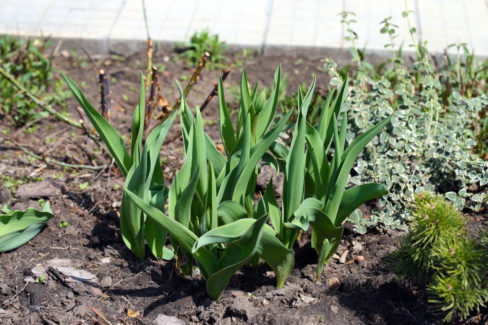
Fall is finally here, and for us gardeners, that means one thing: it’s time to get those tulip bulbs in the ground! There’s nothing quite like the excitement of planting a hundred bulbs and dreaming of a backyard color explosion. But man, is it a bummer when spring rolls around and all you get are green leaves with zero flowers. If your tulips are being “blind” (that’s gardener-speak for no blooms), you’re probably wondering what went wrong.
Why Your Tulips Aren’t Blooming
To figure out why your tulips are acting shy, we have to look at the four big requirements for a successful bloom:
- The right location
- Plenty of nutrients
- Proper planting technique
- General TLC
Location, Location, Location
Tulips are sun-worshippers. They want a warm, sunny spot that’s protected from harsh winds. As for the soil, they need it loose, well-draining, and rich in organic matter. Aim for a soil pH between 6 and 7 if you want them to be truly happy.
Feeding Your Bulbs
Opening a flower takes a ton of energy! To give them a head start, mix some compost into the soil when you plant them in the fall. Once spring hits and they start to wake up, give them some organic fertilizer every two weeks.
Here’s a pro tip: as soon as the flowers start to fade, snip them off. This prevents the plant from wasting energy on making seeds. However, don’t cut the leaves yet! Wait until they turn yellow and withered. The plant is actually pulling nutrients back from those leaves and storing them in the bulb for next year’s show.
Getting the Planting Right
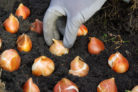
If you want a lush garden in the spring, you have to do the legwork in the fall. Plant your bulbs when the weather is cool but the ground isn’t frozen yet. Prep the area by loosening the soil and mixing in compost (and maybe some sand if your soil is heavy). Here’s the game plan:
- Dig your hole about 6 to 8 inches deep (standard garden soil).
- A good rule of thumb is to plant the bulb twice as deep as it is tall.
- Space them about 6 inches apart.
- Make sure the pointy end is facing up!
- Fill the hole and press the soil down firmly.
- Mark the spot with a stick so you don’t accidentally dig them up while weeding later.
- Give them a good drink of water right after planting.
Maintenance and Troubleshooting
If they’re in the right spot, tulips are pretty low-maintenance. Just keep up with the fertilizer and deadheading. But if you’re doing everything right and still seeing no flowers, you might have “uninvited guests” or drainage issues.
Voles love snacking on juicy tulip bulbs in the spring. If you have a rodent problem, try planting your bulbs in wire mesh “bulb baskets” to keep them safe.
Also, watch out for “wet feet.” If your soil doesn’t drain well and you have a rainy fall or winter, the bulbs can easily mold or rot. If the bulb rots, the flower dies with it. If your soil is heavy clay, adding a little grit or sand to the planting hole can be a lifesaver!