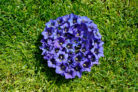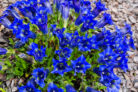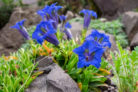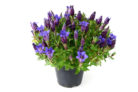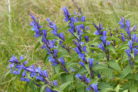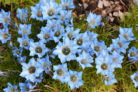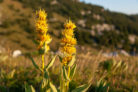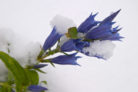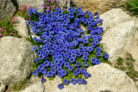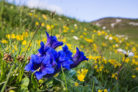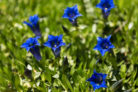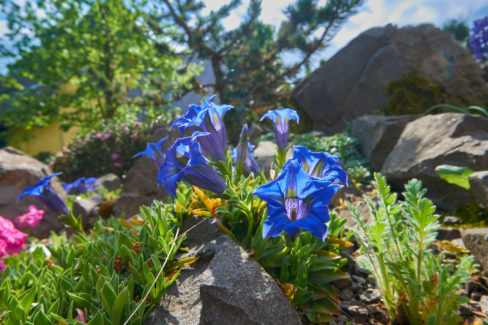
When most of us think of Gentian, we picture those iconic, tiny blue wildflowers tucked away in the high peaks of the Alps. But here’s a pro tip: Gentian is way more diverse than you might think! While the classic alpine varieties are small, some species can actually tower over three feet tall. There are dozens of varieties out there, and the good news is that quite a few of them are perfect for adding a touch of mountain magic to your own backyard.
Growing Gentian in Your Garden
If you’re looking to add these to your flower beds, spring and fall are the best times to get them in the ground. These beauties crave nutrient-rich soil that breathes well—they definitely don’t like “wet feet” (standing water). You’ll usually see the classic blue or blue-and-white trumpet flowers emerging from a low rosette of leaves. If you go for the yellow or red varieties, give them a quiet spot where they won’t be disturbed, and they can reach heights of up to 4.5 feet!
One of the coolest things about Gentian is that you can time your blooms. Depending on the variety, they can start popping up in early spring and keep going all the way until the “Autumn Gentian” finishes in early December. If you mix and match different species, you can have blooms almost all year round! And while that deep “Gentian Blue” is the fan favorite, don’t sleep on the other colors—they come in yellow, pink, purple, red, and even white (which is actually an albino form that often keeps a hint of blue deep inside the bell).
The Perfect Spot and Soil
Before you start digging, you’ll want to find the “Goldilocks” spot in your garden. Gentian can be a little picky about its home. Ideally, you’re looking for a place that is:
- In partial shade or dappled sunlight (avoid harsh, direct midday sun)
- Protected from strong winds
- Not too hot or stifling
As for the soil, aim for these specs:
- Acidic to neutral pH
- Rich in nutrients and loose (mixing in some compost works wonders)
- Well-draining; if your soil is heavy clay, you might want to add a drainage layer before planting
- Specific to the variety: some love lime-rich soil (perfect for rock gardens), while others prefer acidic soil (great under evergreens)
Easy Maintenance Tips
Once your Gentian has settled in and established its roots, it’s actually a very low-maintenance guest. For example, the Great Yellow Gentian prefers to be left entirely alone—no need to hoe or loosen the soil around it. Just make sure to give them a drink regularly during dry spells, as long as the water doesn’t pool.
You don’t need to worry about pruning, either. Just snip off the dried-up stems from the previous year in early spring before the new growth starts. Even though Gentian is a hardy perennial, it’s a smart move to protect brand-new plantings during their first winter with some evergreen boughs or brush to shield them from the biting frost.