These stunning Mediterranean plants don’t just bring those vacation vibes to your backyard—they come with a whole host of other perks, too. Here’s a look at what makes each of these beauties a must-have for your garden.
[[plants]]
++Cypress (Cupressus)
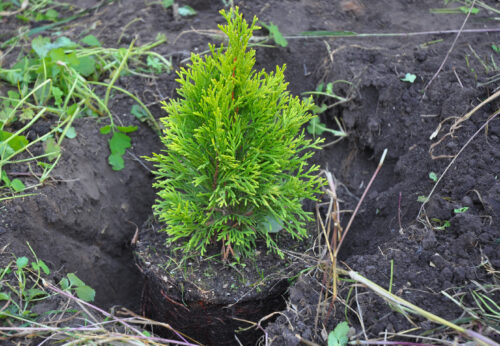
Cypress trees are an iconic part of the landscape in Southern France and Italy. These elegant trees grow in a classic, tall columnar shape that adds instant height and drama to any space. There’s something almost meditative about watching a Cypress sway gently in the breeze. Just a heads-up: they aren’t fans of hard freezes. Your best bet is to grow them in large pots so you can move them to a sheltered spot for the winter. If you live in a region with milder winters, they can often stay outdoors with a little extra protection.
++Rosemary (Salvia rosmarinus)
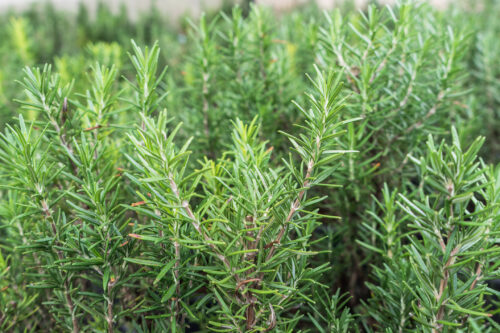
Rosemary is a total Mediterranean superstar, and it’s surprisingly tough when it comes to chilly weather. Whether you want a small pot on your balcony or a massive shrub (or even a fragrant hedge!) in your yard, rosemary is up for the task. The needle-like leaves stay green year-round, giving you a constant supply of fresh herbs for the kitchen. Just brush your hand against the branches, and you’ll be greeted by that amazing, piney aroma.
++Basil (Ocimum basilicum)
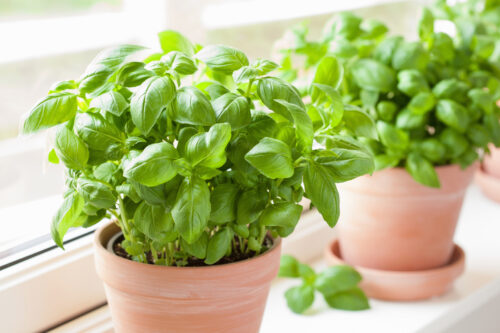
Nothing says “summer in the Mediterranean” quite like basil. It’s the heart and soul of Italian cooking—honestly, what’s a pasta dish or a tomato salad without it? The bright green leaves are easy to harvest and best enjoyed fresh. Pro tip: for the best flavor, tear or pluck the leaves by hand instead of cutting them with scissors. If you’re growing basil in a pot, try watering it from the bottom using a saucer to keep it happy and hydrated.
++Lemon Tree (Citrus limon)
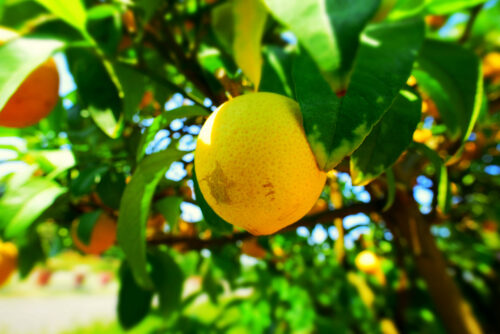
Want to add some old-world charm to your patio? Get a citrus tree! These were the ultimate status symbol back in the day—European royalty even built “orangeries” just to keep their lemon and orange trees safe during the winter. You can do the same on a smaller scale by keeping yours in a container and moving it indoors when the temperature drops. And don’t worry—growing your own fruit is actually easier than you might think!
++Oleander (Nerium oleander)
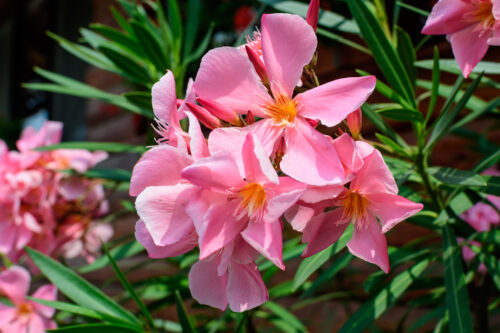
If you’ve ever walked past a sidewalk café in Italy, you’ve probably seen Oleander. With its deep green leaves and clusters of pink blossoms, it’s the quintessential Mediterranean shrub. Even if you don’t live in the tropics, you can enjoy them at home. Smaller varieties fit perfectly on a modest terrace or balcony, and when they’re in full bloom, they are absolutely breathtaking.
++English Lavender (Lavandula angustifolia)
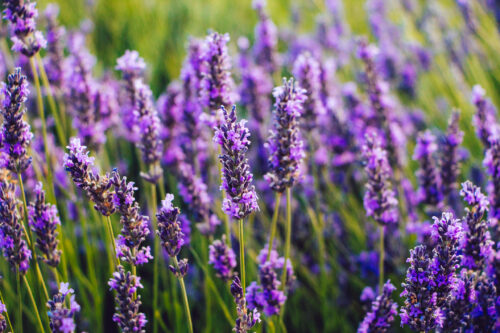
English Lavender instantly transports you to the purple fields of Provence. The scent is pure magic and adds a relaxing vibe to any garden. Plus, it’s incredibly versatile—you can use the flowers to level up everything from desserts to savory meat dishes. As a bonus, lavender is a natural repellent; moths and mosquitoes can’t stand the smell, so they’ll give your patio a wide berth.
++Olive Tree (Olea europaea)
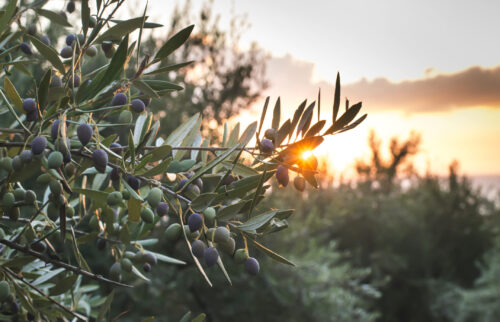
The olive tree is the ultimate timeless classic. You can let them grow into gnarly, rustic trees or buy them as stylish little “topiary” standards. The silvery-green leaves are gorgeous, but the real excitement starts when those first olives appear. These trees can live for centuries and have so much character. They also make a fantastic gift for anyone who dreams of Greece or Italy!
++Crown Imperial (Fritillaria imperialis)
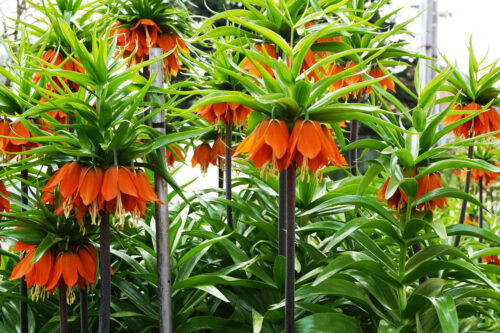
Looking for something a little more unique? Let me introduce you to the Crown Imperial. This plant features a tall, sturdy stem topped with a “crown” of striking bell-shaped flowers, usually in bright yellow or orange. It’s a real head-turner in the garden. Interestingly, this Mediterranean native is also a bit of a garden bodyguard—it contains natural toxins that make it an effective deterrent against moles.