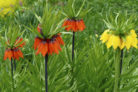
When a busy mole starts popping up all over your lawn, your backyard paradise can start looking like a construction zone pretty fast. Since these little guys are often protected by local wildlife regulations, you can’t exactly go on the offensive. However, you *can* give them a gentle nudge to move along using the Crown Imperial (*Fritillaria imperialis*). Here’s the scoop on how this beautiful flower acts as a natural bouncer for your garden.
Evicting Moles with Crown Imperial Bulbs
Crown Imperial bulbs have a bit of a secret weapon: they’re toxic if eaten, and they give off a pretty pungent, garlic-like odor. This scent is a huge turn-off for rodents and other underground pests, so they usually keep their distance. As a gardener, you can use this to your advantage. By planting a few Crown Imperials in your flower beds, you’re essentially putting up a “No Trespassing” sign for moles.
Here are the best spots to plant them:
- Around your favorite flower beds for extra protection.
- Near the fresh, vulnerable roots of young fruit trees.
- Throughout your fruit and vegetable patches to keep the harvest safe.
What to Expect When Using Crown Imperials
Since this is a natural remedy, it’s important to manage expectations. It’s not going to work quite like industrial traps or poisons—but honestly, that’s a good thing! Using poison in your garden is often illegal and can leave nasty chemicals in your soil. By sticking with natural methods like the Crown Imperial, you keep your garden organic and safe for your family.
Just keep in mind that the “stink zone” of these bulbs only covers a certain radius. Planting a single bulb isn’t going to clear your entire backyard of moles and voles. Instead, think of them as strategic barriers. If you want to protect a specific area, you’ll need to plant the bulbs around that perimeter to keep the pests away from your prized plants.
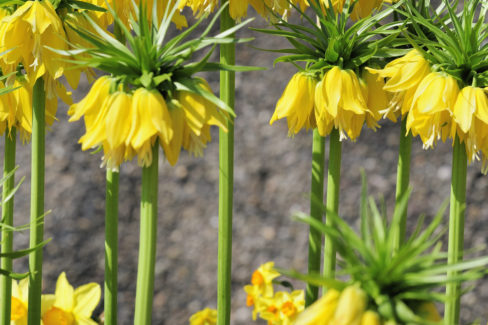
The best part? This method comes with a gorgeous side effect. During the Crown Imperial blooming season, you’ll be treated to a stunning display of exotic-looking flowers. It’s a win-win: you get a beautiful, tropical vibe in your garden, and the moles get the hint to find a new neighborhood!