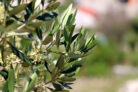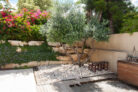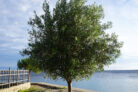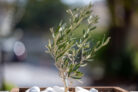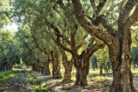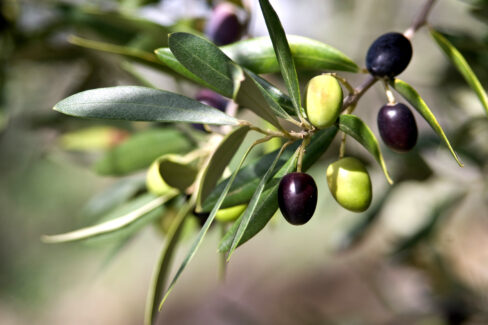
The olive tree is one of the oldest cultivated plants on the planet, with a history in the Mediterranean stretching back at least 3,000 years. Since olive oil is the heart and soul of Mediterranean cooking, it’s no wonder so many of us want to try growing and harvesting our own olives right at home.
The Secret to Pollination: It Takes Two
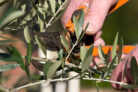
If you’re dreaming of a homegrown harvest, the first thing you need to think about is pollination. Most olive trees aren’t “self-fertile,” meaning they can’t do the job alone. Out of the roughly 1,000 different varieties out there, only a handful can pollinate themselves. To be safe, you’ll want at least two trees. Even then, you’re relying on the wind to carry the pollen in the right direction. If you want to be extra sure, you can play Cupid by using a small paintbrush to manually transfer pollen from one tree’s blossoms to the other.
Harvesting Your Olives
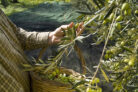
While you can help with pollination, there’s one thing you can’t control: the weather. If the summer is too cold or cloudy, your harvest might be a bust. But if the sun cooperates, you’ll need to decide how to harvest your fruit. In big commercial olive groves, farmers usually shake the trees while the olives are still green and firm so they don’t bruise when they hit the ground. Since you’re likely working with just a couple of trees, you have the luxury of waiting until the olives turn dark and fully ripe, then picking them carefully by hand.
Prepping Your Olives for the Table
Whether you shake them off the branch or pick them one by one, don’t try to eat an olive straight off the tree—trust me, they taste terrible! Raw olives are incredibly hard and packed with bitter compounds that make them inedible. To make them tasty, you have to “cure” them in water or, even better, a brine to draw out that bitterness. Here’s a simple way to do it:
- Use a sharp knife to make a small cross-shaped cut at both ends of each olive.
- Mix a brine using a two-to-one ratio of water to salt.
- Let the olives soak in this brine for at least 24 hours.
- After the brine soak, transfer them to a plain water bath for about a week to rinse out the excess salt (change the water daily).
- Finally, store your cured olives in a jar filled with olive oil or sunflower oil.