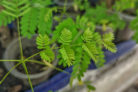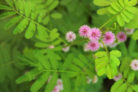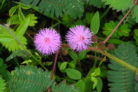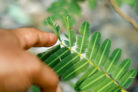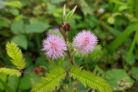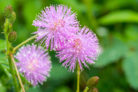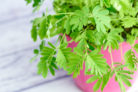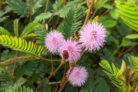
Since sensitive plants (Mimosas) are tropical beauties, most of us here in the States usually grow them as one-year indoor houseplants. If you’ve ever thought about training one into a bonsai, I’ll be honest: they aren’t the easiest candidates for it. But, if you’ve got a bit of patience and a gentle touch, it is totally possible to pull off this unique look!
Why sensitive plants are tricky for bonsai
At first glance, a sensitive plant’s natural structure looks a lot like a tiny tree, which makes them tempting for bonsai lovers. However, they can be a bit finicky for this specific style of growing. Here’s why they’re considered “challenge mode”:
- They are relatively slow growers.
- They really don’t like being pruned.
- Getting them through the winter can be a bit of a gamble.
Growth habits
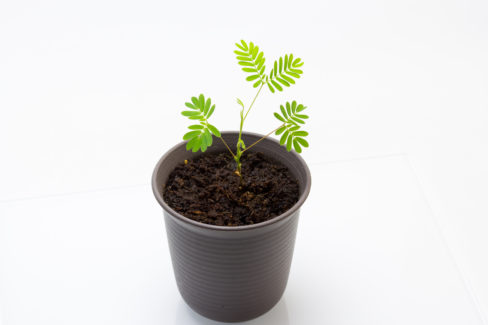
Sensitive plants don’t naturally grow into dense, bushy thickets, nor do they get very tall. Even if you give them the perfect spot and top-tier care, most of them top out between 12 and 20 inches. Because of this, any bonsai you create will stay on the very small, miniature side.
Sensitive plants are… well, sensitive to pruning
This is the biggest hurdle: these tropical plants are notoriously “cut-shy.” Bonsai usually requires regular trimming to keep that manicured look, but Mimosas can react poorly to the shears. Sometimes, even a minor trim can cause the plant to struggle.
Pro tip: Never prune a sensitive plant in its first year. Once it hits its second year, you can start with very cautious, light trims to the main stem.
The overwintering struggle
To top it off, overwintering these plants can be hit or miss. Even though they are technically perennials, most indoor gardeners end up treating them as annuals because they can be so temperamental when the seasons change.
How to grow a sensitive plant bonsai
Despite the challenges, if you’re up for a fun gardening experiment, you can definitely try training your Mimosa into a bonsai! The key is to be incredibly patient and gentle. Start with a loose, well-draining potting mix and find a bright, sunny spot for it. Keep things warm and make sure the humidity is high—these are tropical plants, after all! You never want the roots to dry out completely, but definitely avoid letting them sit in soggy soil.
When it comes to shaping, stick to very small, frequent trims rather than one big chop. Whatever you do, don’t go overboard with the scissors! Finally, make sure to repot your Mimosa bonsai regularly with fresh soil. This is also the perfect time to give the roots a very light trim to encourage healthy growth.