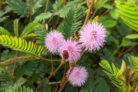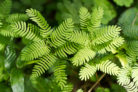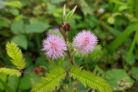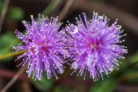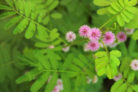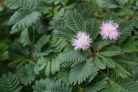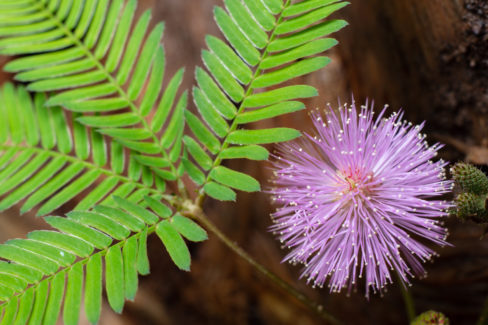
The Sensitive Plant (Mimosa pudica) is a fan favorite in the plant world, but let’s be real—she can be a bit of a diva! While she’s definitely high-maintenance, if you give her exactly what she wants, she’ll reward you with lush growth and those iconic, fluffy pink blooms. Just a heads-up: most indoor gardeners treat the Mimosa as an annual, as it can be tricky to keep it thriving long-term.
Setting the Stage for Success
To keep your Mimosa happy indoors, you need to mimic its tropical home. The “big three” requirements for success are:
- Plenty of bright, indirect light
- Toasty warm temperatures
- High humidity levels
Find the Bright Spot
Mimosas love light, but they burn easily in direct afternoon sun. Your best bet is a spot near an east- or west-facing window where the light is bright but filtered. Think “partial shade” rather than a sunbath.
Keep it Toasty
Since these are tropical beauties, they don’t do well with chills. You’ll want to keep your room temperature consistently between 65°F and 72°F (18 to 22 degrees Celsius) year-round.
Pump Up the Humidity
This is where most people struggle: Mimosas crave moisture in the air. You’re looking for a humidity level of at least 50%, though 60% is the sweet spot. Keep your plant far away from heaters or vents that blow dry air. Pro tip: Place a few bowls of water nearby or use a pebble tray to boost the moisture in the air. Avoid misting the leaves directly, though—the plant reacts to the water droplets by closing up, which can stress it out over time.
Routine Care and Maintenance
Beyond the environment, you’ll need to stay on top of feeding. Regular fertilizing during the growing season is key. If your plant is growing like crazy, don’t be afraid to repot it into a slightly larger home.
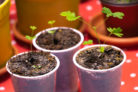
Keep in mind that the Sensitive Plant isn’t frost-hardy and can be very difficult to overwinter successfully. Because of this, many gardeners simply enjoy them for one season and start fresh with a new seedling every spring.
Summer Vacations Outdoors
When the weather warms up in the summer, your Mimosa will love a little outdoor time. Just make sure to transition it slowly so it can acclimate to the outdoor air and light without going into shock.
A Quick Safety Note: Mimosas are Toxic
As cool as they are to watch, keep in mind that the Mimosa is toxic. It can cause issues if eaten, and some people even experience skin irritation just from touching it. Make sure to keep your plant on a high shelf or in a spot where curious kids and pets can’t get to it.