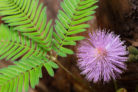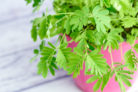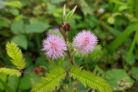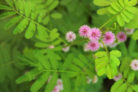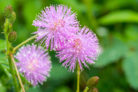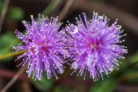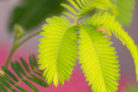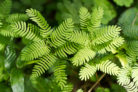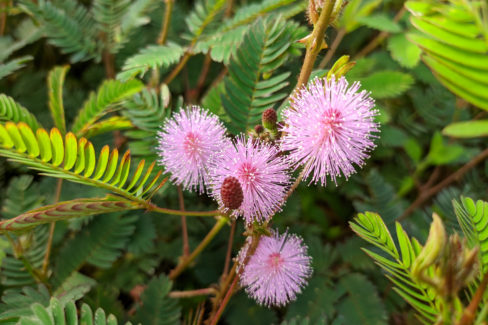
Most of us know the sensitive plant (Mimosa pudica) as a quirky, one-year indoor houseplant. But did you know that if you get the temperature just right, these tropical beauties can actually thrive outdoors too? When you nail their favorite conditions, these South American natives really take off and show off their lush growth.
Setting the Stage: The Perfect Spot
Since sensitive plants hail from the tropical regions of South America, they’re happiest when we mimic their home turf. To keep yours happy, you’ll want to aim for:
- Plenty of light (but skip the harsh, direct sun)
- Toasty warm temperatures
- High humidity
Bright Light and Partial Shade
Sensitive plants love a bright room, but they aren’t big fans of getting baked in the sun. I’d recommend keeping them away from south-facing windows or scorching balconies. A spot with bright, filtered light or partial shade is the “sweet spot” for these guys.
Keep it Warm
Think tropical! You’ll want to keep your Mimosa in a room that stays between 65°F and 72°F (18–22°C) year-round. Be careful not to let the temperature dip below 55°F (12°C) for too long. These plants are definitely not winter-hardy, and a cold snap can do some serious damage.
Humidity is Key
Coming from the tropics, these plants crave moisture in the air—ideally around 50% to 60% humidity. This means you should keep them far away from dry heat vents or radiators. A pro tip: place a few bowls of water nearby so the evaporation keeps the air moist. Just avoid misting the plant directly with a spray bottle; the water droplets will cause the leaves to snap shut!
Moving Your Mimosa to the Balcony
If the weather is consistently warm (at least 70°F), you can totally move your sensitive plant outside to a balcony or patio. Just don’t move it all at once! If it’s been indoors, give it some time to acclimate to the outdoor light so it doesn’t get a “sunburn.”
Also, try to find a spot protected from the wind. Drafts cause the leaves to constantly fold and unfold, which actually drains the plant’s energy reserves and can wear it out.
A Quick Safety Note: Mimosa Toxicity
As beautiful as they are, keep in mind that these tropical plants are toxic. Both eating the plant or even skin contact can cause issues. If you have curious kiddos or pets running around, make sure to keep your Mimosa on a high shelf or in a spot they can’t reach.