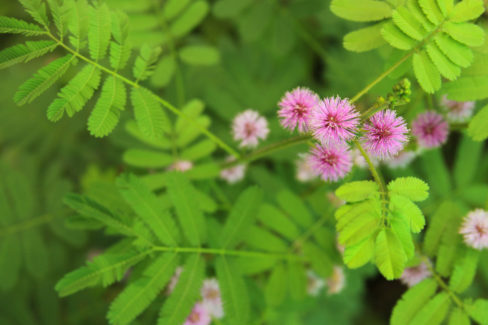
Since sensitive plants (Mimosa pudica) are notoriously tricky to keep alive through the winter, most of us just treat them as annuals. But here’s the good news: you don’t have to buy a new one every year! By mastering a few propagation tricks, you can keep these tropical beauties in your collection indefinitely.
The Best Time to Start New Plants
Generally speaking, spring is the absolute best time to propagate your Mimosa. Starting early gives your new plants plenty of time to establish a strong root system and reach their full blooming potential. While you *can* try to propagate them later in the year, keep in mind that since these tropical plants are not cold-hardy, a late start usually means a much shorter lifespan for your plant.
Your Propagation Options
When it comes to growing new sensitive plants, you’ve got two main paths:
- Starting from seed
- Growing from cuttings
Growing Mimosa from Seed
In my experience, sowing seeds is the easiest and most reliable way to go. You can pick up seeds at your local garden center, or if you already have a plant, you can harvest them yourself once the flowering season wraps up.
To get started, grab a seed tray and fill it with a high-quality, sterile seed-starting mix. Pro tip: If you’re using regular garden soil, pop it in the oven at 175°F (80°C) for about 30 minutes first to kill off any lingering germs or pests.
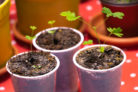
Place your tray in a warm, bright spot and keep the soil consistently moist (but not soggy!). You should see those first little sprouts popping up within a few weeks. Once they’re sturdy enough to handle, you can transplant them into their own individual pots.
Propagating via Cuttings
You can also grow Mimosa from cuttings, but there’s a catch. These plants are incredibly sensitive to pruning, and sometimes the “mother plant” doesn’t survive the stress of being cut. I’d only recommend this method if you aren’t planning on overwintering the original plant anyway.
To try this, use a sharp, clean knife or shears to take a cutting. Strip off the lower leaves and pop the stem into a glass of water. After a few weeks, you should see roots starting to form. Once the root system looks solid, go ahead and move your new plant into a pot with soil.
If you prefer, you can also skip the water glass and plant your cutting directly into a pot of moist seed-starting mix. Just be sure to keep it humid while it finds its footing!