Most folks treat Sensitive Plants (Mimosa pudica) as annual houseplants because they can be a bit tricky to overwinter. Since they’re often replaced every spring, you usually don’t have to worry about repotting them. However, there are a few exceptions where a fresh pot is exactly what your plant needs to stay happy and healthy.
When annual Sensitive Plants need a new home
Even if you only plan on keeping your Mimosa for one season, you might still need to grab your gardening gloves. This usually happens in two scenarios:
- Right after you bring a new plant home from the store.
- When you’re growing your own from scratch.
Repotting store-bought plants
If you just picked up a Mimosa from the garden center, I highly recommend moving it to a new pot right away. Most of the time, the plastic nursery pots they come in are way too small to support much more growth.
Moving your seedlings
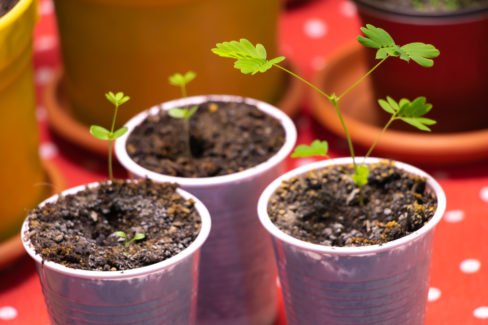
If you’re starting your Mimosa from seed, there comes a time when those little sprouts need their own space. Once your seedlings reach a sturdy size, it’s time to transplant them into their own individual pots.
Caring for perennial Mimosa
If you’re one of the dedicated plant parents keeping your Mimosa for multiple years, regular repotting is a must. Fresh soil and a bit more legroom do wonders! The best time to do this is in the spring—this gives the plant the entire growing season to establish its roots and thrive.
Signs it’s time to repot
Not sure if your plant is cramped? Just look at the roots. If you see them peeking out over the top of the soil or poking through the drainage holes at the bottom, your Mimosa is definitely ready for an upgrade.
Choosing the right pot
You want a pot that’s slightly larger than the old one to give the roots room to stretch. But here’s a pro tip: don’t go too big! Sensitive Plants actually look much fuller and show off their unique foliage better when they’re in a slightly snugger container.
The most important thing to look for is a good drainage hole. These plants hate “wet feet,” and a hole in the bottom is your best defense against root rot.
The best soil for the job
When it comes to soil, Sensitive Plants aren’t too picky. The main goal is a mix that is loose and well-draining. A high-quality, compost-based potting soil from your local garden center usually works perfectly.
Don’t panic if it looks a little sad
Don’t be surprised if your Mimosa looks a bit “dramatic” or wilted right after you move it. Repotting is stressful for them! Just give it a few days of peace and quiet, and it should bounce back once it settles into its new home.