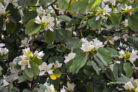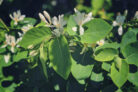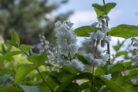
The Mountain Laurel (or *Kalmia latifolia*) is a true North American native, originally hailing from the East Coast. Even though it’s a local beauty, you don’t see it in every backyard quite yet. One of the main reasons gardeners hesitate is that it can be a bit finicky when it comes to surviving harsh winters.
Give Them a Little Extra TLC
If you want your Mountain Laurel to make it through the winter outdoors, you’ve got to give it a helping hand. Winter prep actually starts way before the first frost by picking the perfect spot in your yard. Once autumn rolls around, you’ll need to take a few extra steps to make sure your plant doesn’t get zapped by a deep freeze.
Finding the Perfect Home
Step one is finding a spot where your Mountain Laurel feels right at home. These beauties love the sun, but they’ll do just fine in partial shade as long as they’re getting enough light. To keep them safe from harsh winds and heavy downpours, try planting them near a wall. You can also tuck them in near deciduous trees or in a natural dip in the landscape. If you plant them together as a hedge, they actually help protect each other!
Late Autumn Prep
As the year winds down, it’s time to focus on protecting those roots from the frost. One thing you *don’t* need to worry about is pruning. In fact, cutting them back can actually do more harm than good because Mountain Laurels are notoriously slow growers. Just wait until spring to snip off any dead bits.
Before the ground freezes, lay down a nice, thick layer of mulch around the base of the plant. You can use whatever you have on hand, such as:
- Mature compost
- Evergreen branches
- Fallen leaves
- Straw
For an extra layer of security, wrap the upper part of the plant in burlap or garden fleece. If you’re growing your Mountain Laurel in containers, don’t forget the pot! Wrap the container well and set it on a piece of Styrofoam to insulate it from the cold ground. Better yet, if you have the space, just move the pot into a cool basement for the winter.