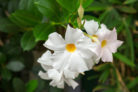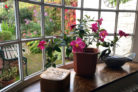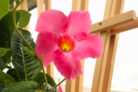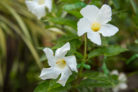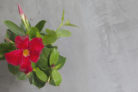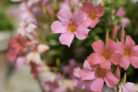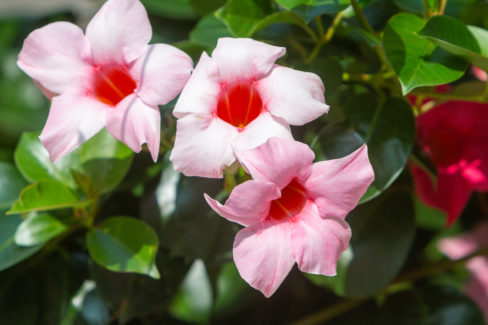
During the summer, Dipladenia (also known as Mandevilla) is a total showstopper with its endless supply of trumpet-shaped blooms. But once those crisp fall temperatures start rolling in, you’ll notice the flowering slows down, and your plant starts looking a little unhappy out on the balcony.
Hardiness
Here’s the deal: Dipladenias are not cold-hardy. That’s probably why so many people treat them as annuals and toss them at the end of the season. A lot of gardeners don’t even realize they actually have a perennial on their balcony that can live for years!
Surviving a true winter outside is one thing, but Mandevillas are sensitive to the cold long before it actually hits freezing. In fact, once the thermometer dips to about 46°F (+8°C), your Dipladenia is already feeling the chill and it’s time to bring it indoors. If it stays outside as temperatures keep dropping, you’re looking at a frozen Dipladenia that likely won’t bounce back.
Is Chilean Jasmine Winter-Hardy?
You might have heard of Chilean Jasmine (botanically *Mandevilla laxa*), which is often labeled as “semi-hardy.” This means it can technically handle some sub-zero temperatures—down to about 23°F (-5°C). However, that’s a survival limit, not a comfort zone, and it definitely shouldn’t stay that cold for long. Plus, those hardiness ratings on the plant tags usually refer to plants established in the ground.
Because of this, I’d be pretty skeptical of any advice suggesting you overwinter Mandevilla outside, especially if it’s in a pot. In containers, frost and cold air penetrate the walls and bottom of the pot much faster than in the ground. Even with a protective fleece wrap, keeping this plant outside is a huge gamble that only really works in very mild climates.
Overwintering
Since Dipladenia and cold winters just don’t mix, your best bet for keeping your plant perennial is to bring it inside. The perfect winter home for it would be:
- A cool but protected spot
- Consistent temperatures between 46°F and 54°F (8-12°C)
Mandevillas still crave plenty of light during their winter nap, so a spot near a window with morning or evening sun is perfect. Just a heads-up: watch out for cold drafts! These plants are so sensitive that even cracking a window for some fresh air can shock them if they’re sitting right in the path of the cold breeze.