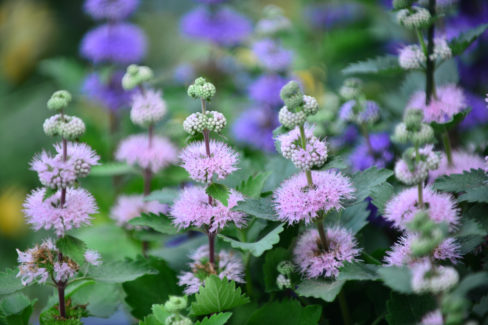
Just when most of your summer blooms are starting to fade, the Bluebeard (Caryopteris) is just getting the party started! This beauty shows off its stunning blue flowers well into October. But once that fall show wraps up, it’s time to start thinking about how to get your plant safely through the winter.
How much cold can Bluebeard actually handle?
Bluebeard is what we call “moderately hardy,” meaning it can handle a bit of frost, but it’s not invincible. If you live in a mild climate, an established plant might breeze through winter without any help. However, if your winters are harsh, it’s going to need a little TLC. Keep in mind that young plants are much more sensitive to the cold and always need a bit of extra protection.
Where is the best place for my Bluebeard in winter?
If you live somewhere with mild winters, you can leave your Bluebeard right in its usual spot in the garden. The key here is protecting it from freezing winds and, more importantly, excessive moisture. Believe it or not, soggy soil often does more damage to these plants than the cold itself!
Don’t panic if you see the soft, green tips of the plant die back over the winter—that’s totally normal. Just prune those bits off in the spring, and your plant will bounce right back with new growth. However, if your plant is still a “baby,” if your winters are brutal, or if you’re growing your Bluebeard in a container, moving it to a frost-free indoor spot is definitely the way to go.
What kind of winter care does it need?
When it comes to watering in the winter, less is more. You just want to give it enough so the root ball doesn’t completely dry out. If your plant is staying outside, only water on days when the ground isn’t frozen (and only if it really needs it). If it’s spending the winter indoors, give it a little splash of water whenever the top layer of soil feels dry to the touch.
Quick Summary:
- Considered moderately hardy.
- Make sure it’s well-established before its first winter.
- Avoid late-season fertilizing (it makes the plant less cold-hardy).
- Protect from wet soil and cold, biting winds.
- Don’t worry if non-woody stems freeze; it’s normal!
- For container plants: keep them in a sheltered spot outside or move them to a frost-free room.
- Water minimally (just don’t let the roots dry out completely).
Pro Tip: If you took cuttings this summer to propagate new plants, make sure those little guys stay in a frost-free spot for their first two winters. They need a little extra time to toughen up!