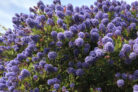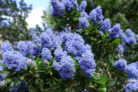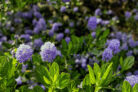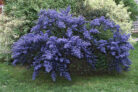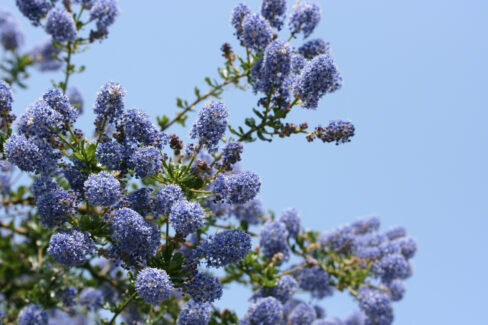
If you’re looking for a stunning shrub that holds its own, the Ceanothus—often called the California Lilac—is a fantastic choice. Don’t let its delicate blue blooms fool you; it’s actually quite hardy! Depending on which variety you’ve picked out for your garden, it can handle a fair amount of frost.
How Cold-Hardy is California Lilac?
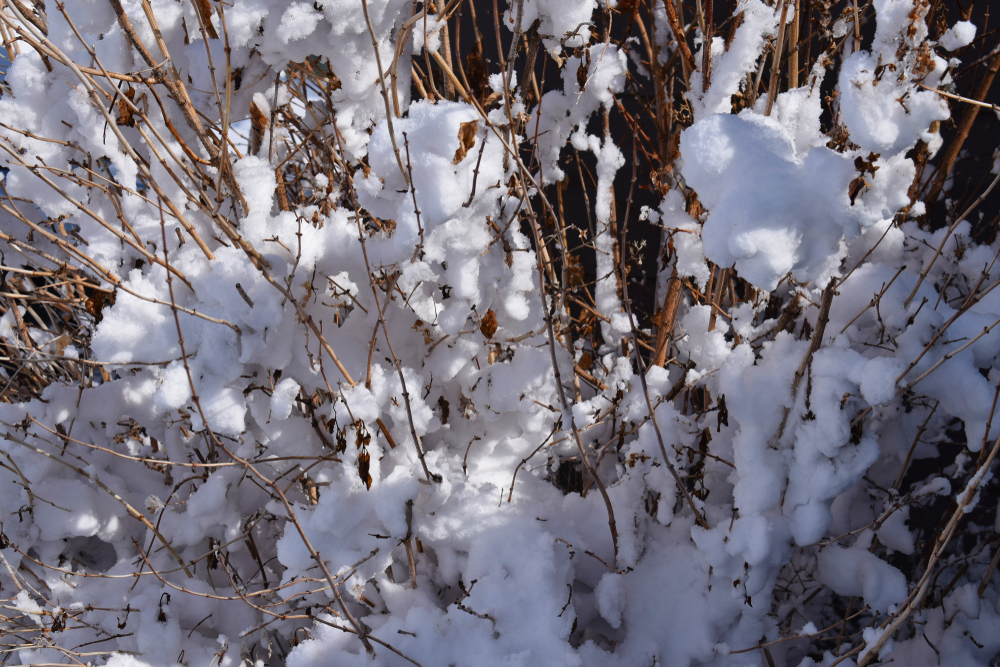
Generally speaking, California Lilac can withstand temperatures ranging from 5°F to 20°F, depending on the specific cultivar. However, it’s not just the cold that bothers them—biting winter winds and “wet feet” (standing water) are often the real culprits when a plant struggles. If you live in a mild coastal area, your shrub will likely sail through winter without any frost damage. But if you’re in a region known for harsh, long winters, you’ll definitely want to give your plant a little extra TLC.
How to Overwinter Your California Lilac
For plants in the ground or those grown as a hedge, a little ground cover goes a long way. Adding a thick protective layer at the base of the plant helps insulate the roots. Great options include:
- Mulch
- Fallen leaves
- Evergreen brush or twigs
If you’re growing your California Lilac in a container, it’s much more vulnerable to the cold because the roots aren’t insulated by the earth. Ideally, move your pot to a bright, frost-free, but cool spot—think a sunroom, an unheated stairwell, or a cool greenhouse. Aim for temperatures around 45°F, and try to keep it above freezing. If you don’t have a spot indoors, you can still protect your potted plant with these tips:
- Elevate the pot off the cold ground using wooden slats or styrofoam.
- Wrap the pot in burlap, an old blanket, or bubble wrap.
- Ensure there is excellent drainage so water doesn’t pool and freeze.
Winter Care Tips for Your California Lilac
First rule of winter gardening: put the fertilizer away! Your California Lilac doesn’t need extra nutrients during its dormant phase, and fertilizing now can actually do more harm than good. If you start seeing yellow leaves, it might be a sign of over-fertilization.
As for hydration, your plant still needs a drink now and then, though significantly less than in the summer. Finally, if you didn’t get around to pruning in the fall, wait until the very end of winter to tidy it up and get it ready for spring growth.