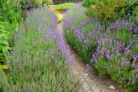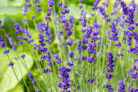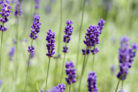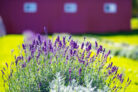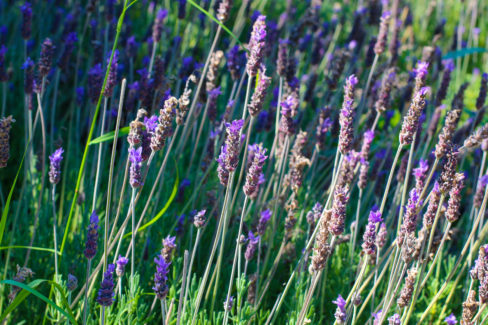
Out of the 25 or so known lavender species, “Lavandula angustifolia”—better known as English Lavender—is the go-to choice for most home gardeners. While English Lavender is definitely the toughest of the bunch, its “hardy” reputation has some limits. If you live in a mild climate (like a wine-growing region), it might breeze through winter just fine. But for those of us in colder zones, a little extra winter prep is a must to keep your plants happy.
The Tough Guy: English Lavender
Compared to other varieties (like the common French lavender or Lavandin hybrids), English Lavender is incredibly resilient. Since it hails from the higher altitudes of the Mediterranean where nights can get pretty chilly, it can actually handle short dips down to about 5°F (-15°C).
However, if the thermometer stays that low for too long, the plant starts to stress out, which can ruin your chances of seeing those beautiful blooms next summer. Unless you live somewhere with very mild winters, you’ll want to give your lavender a little “winter coat” to help it survive the frost.
Winter Care for Potted Lavender
If you’re growing lavender in containers, your first step is to move them to a dry spot that’s shielded from harsh, biting winds. Tucking them right up against the side of your house is a great move—it keeps them out of the driving rain and prevents the soil from getting waterlogged. Just don’t forget about them entirely! Give them a little water every now and then so the root ball doesn’t completely dry out.
Before the first big freeze, wrap your pots in bubble wrap. Those little air pockets act as fantastic insulation. To make it look a bit nicer (and add another layer of warmth), wrap a layer of burlap, landscape fabric, or a winter fleece over the bubble wrap.
Pro Tip: Make sure your outer wrapping extends about four inches above the rim of the pot. You can secure the whole thing with some garden twine for a snug fit.
Protecting Lavender in Garden Beds
If your English Lavender is planted directly in the ground, it still needs some TLC to get through the winter. These plants absolutely hate cold, drying winds. To prep them in the fall, pile a generous layer of bark mulch around the base of the stems. Then, lay some evergreen boughs (like pine or spruce branches) over the top to create a cozy, insulating blanket.
Pro Tip: Lavender is super sensitive to “wet feet” (excess moisture). The best way to keep the soil well-drained during a damp winter is to use a 50/50 mix of standard potting soil and coarse construction sand.