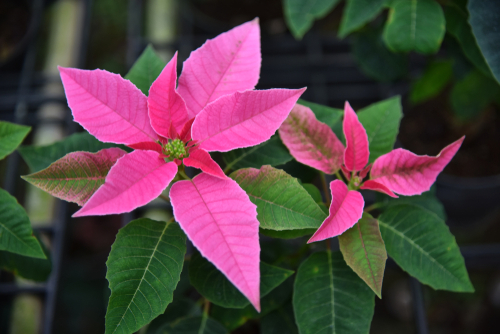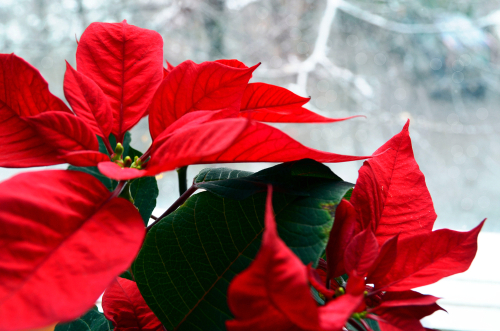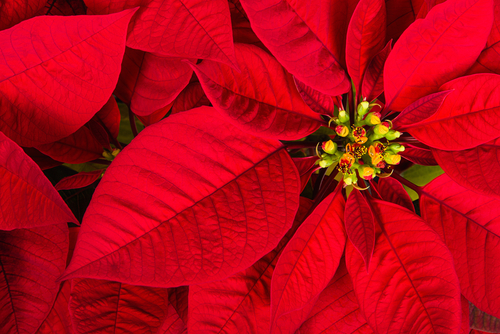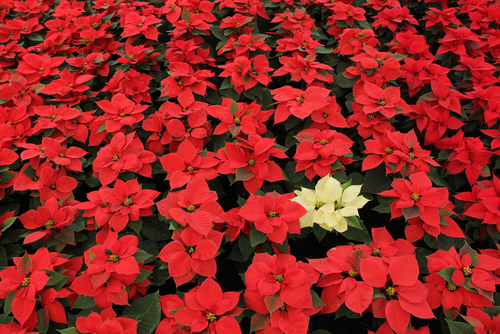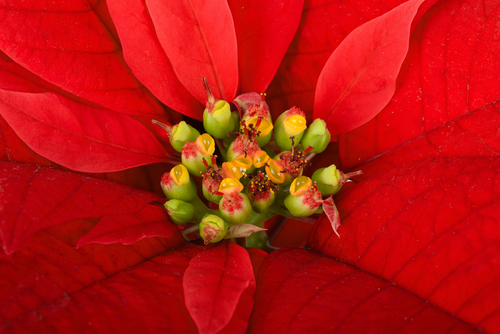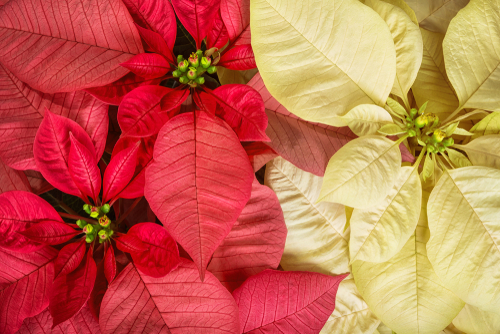
In its native habitat, the Poinsettia is actually a massive, gorgeous flowering shrub that thrives in tropical heat. However, don’t even think about leaving one outside during a typical American winter! These festive favorites are definitely not cold-hardy.
Poinsettias as Houseplants
Unless you live in a frost-free tropical paradise, the Poinsettia is strictly an indoor plant in our neck of the woods. But here’s a pro tip: if you take good care of your star, you can actually move it outside to your balcony or patio during the summer months. Just make sure to follow these steps:
- Once the blooming season is over, prune the stems back to about 8 inches and remove all the old flowers.
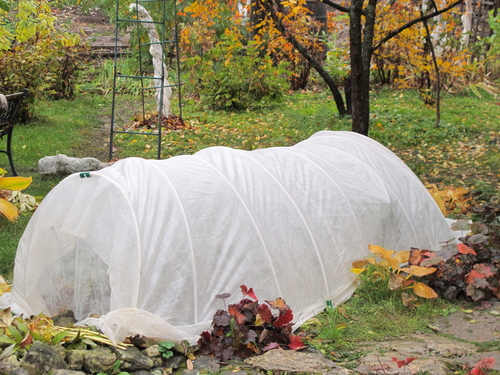
- Wait until the threat of night frost has completely passed before moving it outdoors.
- This is a great time to repot your Poinsettia with fresh soil—just make sure your pot has excellent drainage.
- Pick a spot with partial shade.
- During dry spells, water regularly but sparingly.
- If it’s a rainy summer, protect the plant from getting soaked; Poinsettias hate “wet feet” (standing water).
- Give it a little fertilizer every now and then.
- As soon as the air gets crisp, bring it back inside. Anything below 40-45°F (5°C) is already too cold for these sensitive plants.
Overwintering Your Poinsettia Indoors
Since Poinsettias are completely intolerant of frost, they spend their winters indoors. With the right TLC, you can actually get those iconic colorful bracts to grow back. They are, after all, the ultimate holiday decoration!
To get your Poinsettia to “bloom” again, it needs a bit of a nap—specifically, at least twelve hours of total darkness every day. You can tuck it away in a dark closet or simply pop a cardboard box over it. This mimics the day-night cycle of its tropical home and triggers the plant to start developing those vibrant colors. After about eight weeks of this routine, the top leaves will begin to change. Once that happens, your Poinsettia is ready to take center stage in your living room again.
A Quick Safety Note: Poinsettias are Toxic
If you have little ones or furry friends running around, you’ll want to be careful. Poinsettias are part of the spurge family, and all parts of the plant are toxic. If a pet munches on the leaves, it can lead to serious poisoning. Also, if a leaf or stem gets snapped off, you’ll notice a sticky, milky sap oozing out. This sap is an irritant and can cause quite a nasty skin rash, so handle with care!