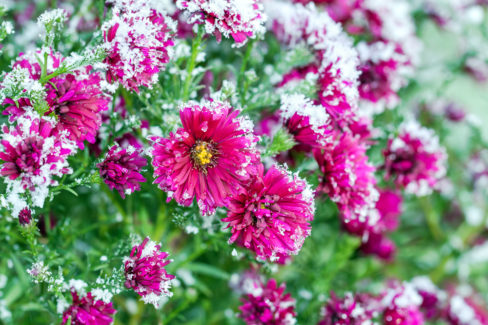
With over 40 species and a whopping 5,000 varieties, chrysanthemums—or “mums” as we love to call them—are true heavyweights in the daisy family. They’ve been a garden staple in China for over 2,000 years, and today, they remain one of our absolute favorite ways to brighten up gardens and balconies, especially when fall rolls around. But here’s the kicker: not all mums are created equal. Some are tough enough to handle a freeze, while others are strictly fair-weather friends.
The Frost-Sensitive Varieties
If you’ve ever bought a mum, you’ve probably asked yourself by late October: “Is this thing going to survive the winter?” Those super-bright, perfectly round potted mums you see at every garden center in the fall are designed to be instant pops of color for your porch. However, that massive explosion of blooms is often short-lived. Since they aren’t bred for cold tolerance, the first few nights of frost will usually turn those pretty flowers black and mushy.
Hardy Garden Mums
Unlike their greenhouse-raised cousins, hardy garden mums are grown outdoors. Because they’ve spent their lives exposed to the elements, they’re much tougher and can handle the typical “bad” fall weather without breaking a sweat. These perennials usually have a more sprawling shape, and their buds don’t all pop at once. Instead, they bloom gradually, giving you a much longer show. Pro tip: if you keep up with deadheading (pinching off the faded flowers), you’ll keep those blooms coming even longer!
Finding the Perfect Spot
While these fall beauties are relatively low-maintenance, they do need the right location to really thrive. Mums love plenty of light, but they aren’t huge fans of intense, direct midday sun. A spot with filtered light or partial shade is usually the “sweet spot.”
When it comes to soil, mums are “heavy feeders,” meaning they love nutrients. You’ll want soil that is loose, rich in organic matter (humus), and—most importantly—well-draining. Mums absolutely hate “wet feet” (standing water). If you have heavy clay soil, make sure to add some drainage material and a healthy dose of compost to lighten things up.
Overwintering Your Mums
For mums planted in the ground, you’ll want to give them a cozy layer of protection before the first hard frost. A loose covering of evergreen boughs (like fir or pine branches) works wonders. Avoid using a thick layer of fallen leaves, though—they tend to soak up water and mat down, which can cause your plants to rot. Here is the best way to prep them for winter:
- Cover the root zone heavily with evergreen branches or straw.
- Protect the main body of the plant with extra brush or boughs.
- You can also use a breathable garden fleece or frost cover.
- If your mums are in pots but you want to keep them outside, try “heeling them in” by burying the entire pot in the ground. The soil acts as natural insulation. If that’s not an option, move the pots to a frost-free area.
Potted mums can spend the winter in a bright, cool, but frost-free spot—think an unheated greenhouse or a cool sunroom. If your winters are mild, they might even stay on the balcony. Just wrap the pots in bubble wrap, cover the tops with fleece, and set them on a piece of Styrofoam or wood to insulate them from the cold ground. If you want to keep things looking cute, you can wrap the whole setup in burlap and tie it with a ribbon!