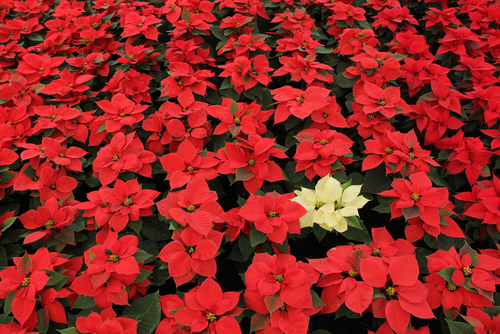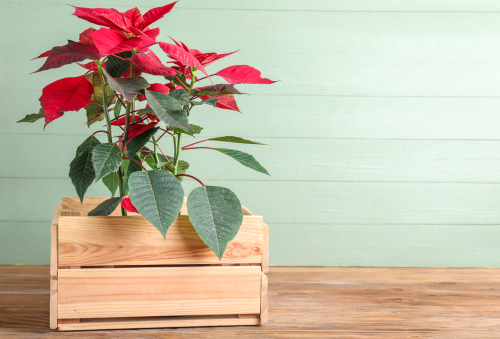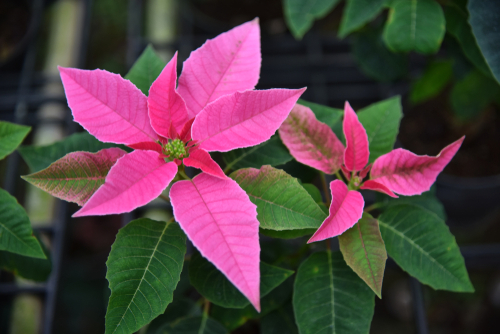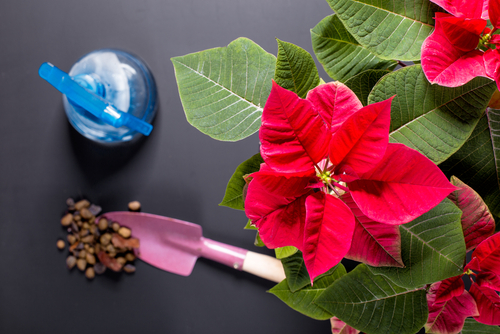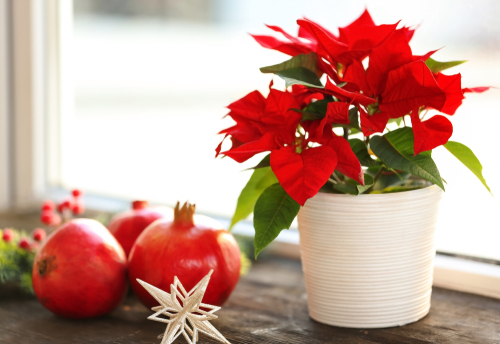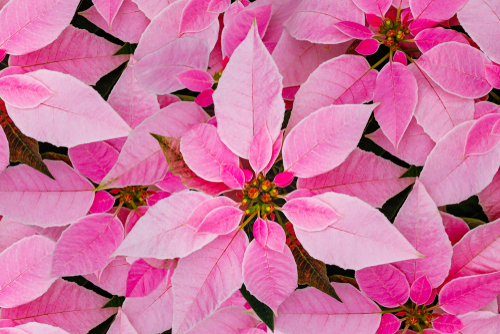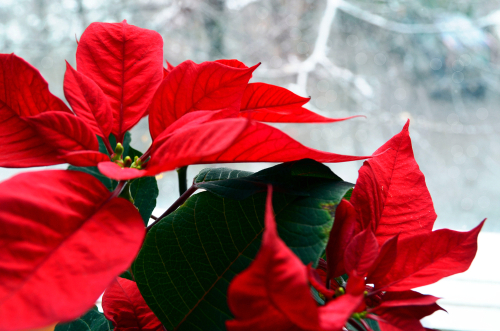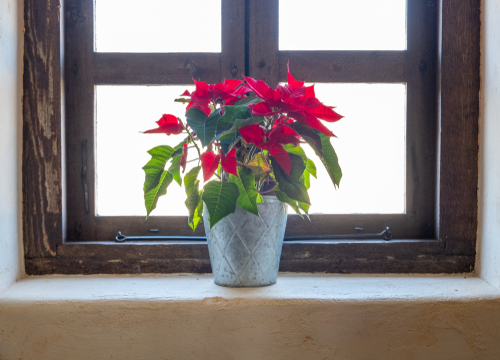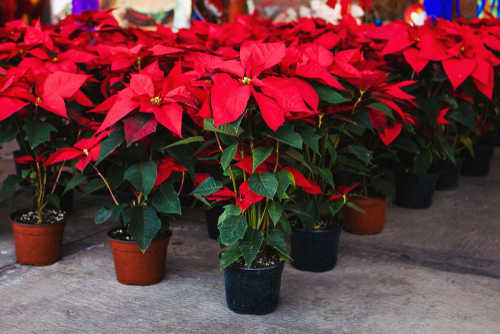
Originally hailing from Central America and Mexico, the Poinsettia is a true tropical soul. In its native habitat, it enjoys a subtropical climate year-round with balmy temperatures and plenty of humidity. Because of these roots, Poinsettias have never really “met” frost or chilly weather—and trust me, they aren’t fans!
The Sweet Spot: Finding the Right Temperature
In our neck of the woods, Poinsettia season kicks off in November and runs through January. They are almost always grown as houseplants here, adding that perfect festive touch to our homes during the holidays. Since we keep our houses nice and toasty in the winter, they usually feel right at home. They prefer temperatures between 60°F and 72°F (15–22°C).
However, don’t just plop yours right on top of a radiator or heater vent. The dry air will zap the moisture right out of the plant, causing it to drop its leaves and eventually give up the ghost. Most importantly: keep them away from freezing temps and cold drafts!
Taking Your Poinsettia Outdoors for the Summer
Once the weather warms up, your Poinsettia can actually enjoy some fresh air on the patio or balcony. Just keep in mind it has a few “must-haves” for its summer vacation:
- Plenty of light
- Warmth
- No direct, scorching sun
- Protection from heavy rain
- Light watering (don’t overdo it!)
- No drafty spots
If things get a little hot in the summer, Poinsettias can handle temperatures up to about 80°F (26°C) for a short time. If a heatwave hits, make sure to move your plant into bright shade. When autumn rolls around and the mercury starts to drop, they can handle about 60°F (15°C) for a bit, but as soon as it gets cooler than that, it’s time to bring them back inside.
How to Get Those Festive Blooms
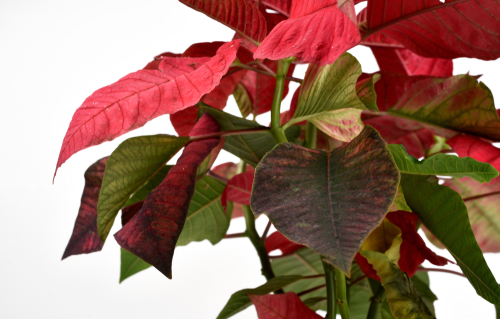
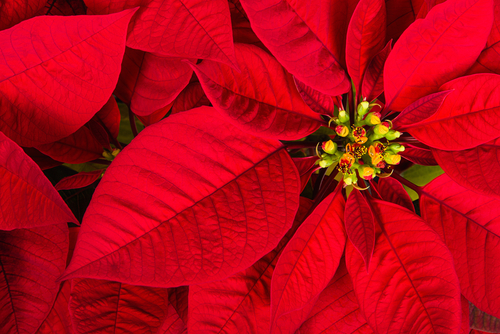
Poinsettias are what we call “short-day plants.” To get those iconic red leaves (bracts) in time for Christmas, you have to trick the plant into thinking winter is coming about eight weeks in advance. This means setting up a 12-hour day/night rhythm.
For 12 hours, keep it in a bright, warm room away from direct sun and drafts. Then, for the other 12 hours, it needs total, absolute darkness. You can move it to a dark closet or simply cover it with a sturdy cardboard box—just make sure no light leaks in! To really give the blooming process a boost, try to keep the plant about 5 degrees cooler during its “dark” phase.