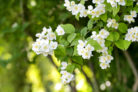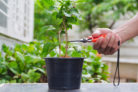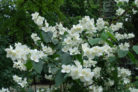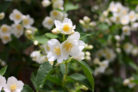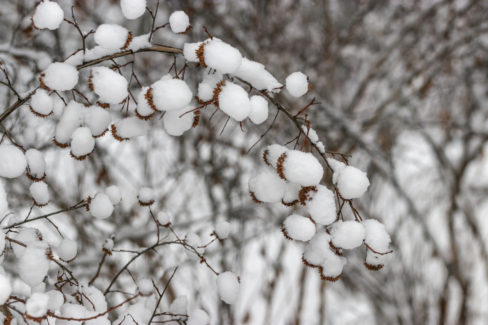
While Mock Orange (False Jasmine) is a tough cookie that can handle the cold all year round, True Jasmine is a bit more high-maintenance when the temperature drops. If you’re wondering how to keep your jasmine happy and healthy until spring, I’ve got you covered with some easy tips for winterizing your plants.
Winterizing Your Jasmine
First things first: you need to know which type of jasmine you’re dealing with. Mock Orange is completely winter-hardy. It can withstand temperatures as low as -4°F, so it’s perfectly fine staying outdoors. If your plant is still very young, though, it’s a good idea to give it a little extra love. A layer of mulch, straw, or dried leaves around the base works wonders. You can also wrap the branches in a burlap sack or some garden fleece for extra protection.
Keeping True Jasmine Outdoors in Winter
Ideally, True Jasmine should be moved to a protected winter spot. It loves a bright, dry area around 50°F—think a cool hallway, a stairwell, or a greenhouse. Your cozy living room or a sunny windowsill is actually too warm for it! If you don’t have a cool indoor spot, you can try overwintering it outside, but you’ll need to take a few precautions:
- Move your potted jasmine to a spot on your porch or balcony that’s shielded from the wind. Tucking it right up against the house wall is usually your best bet for a little extra warmth.
- Don’t let the pot sit directly on the cold ground. Place it on a piece of Styrofoam or a wooden board to insulate it from the bottom. Wrap the pot itself in bubble wrap or burlap. For the plant itself, you can use clear plastic or specialized garden fleece. Just remember to “vent” the cover occasionally to let some fresh air in!
- Because potted plants have limited soil, the roots can freeze pretty quickly. To protect them, add a thick layer of organic material on top of the soil. Good options include:
- Straw
- Bark mulch
- Dried leaves
Winter Maintenance
The good news is that both True Jasmine and Mock Orange are pretty low-maintenance during the winter. You’ll still want to water them occasionally so they don’t dry out completely, but definitely skip the fertilizer until the growing season starts again in the spring!