Does your jasmine need a regular haircut? If so, when is the best time to grab the shears? We’re diving into those questions and more to help you keep your jasmine looking (and smelling) amazing.
Different Strokes for Different Species
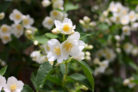
The first thing you need to know is that not all jasmine is created equal. How you prune depends entirely on whether you have “True Jasmine” (Jasminum) or “False Jasmine” (often Mock Orange or Star Jasmine). Some types can handle a heavy-duty chop, while others prefer just a light trim. Before you start snipping, make sure you know which one is sitting in your garden.
Here’s a quick rule of thumb to keep in mind:
- True Jasmine is pretty forgiving and can handle a radical pruning if it gets out of control.
- False Jasmine (Mock Orange) should only get a light trim after it flowers to encourage new growth.
Pruning True Jasmine
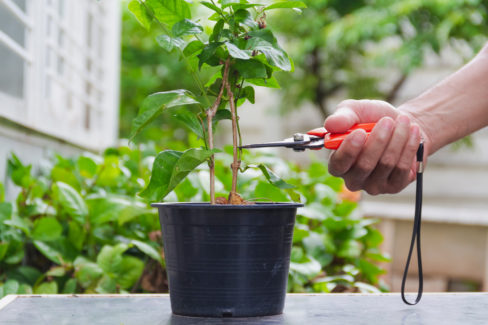
True Jasmine is a vigorous evergreen or deciduous climber that loves to spread its roots and shoots. You can give this plant a major “reboot” with a heavy prune without worrying about hurting it. Just remember: always prune *after* the blooming season, never before. Use a sharp pair of garden shears to cut back long or unruly shoots just above a bud. Come spring, the plant will sprout new growth and plenty of fresh blossoms from those cut points.
Timing is Everything
Timing is the biggest factor with True Jasmine. You’ll want to do your main pruning in the fall, once the flowering season is over. If you prune too early in the spring, you’ll accidentally cut off the developing buds and ruin your flower show. However, it’s perfectly fine to do a little “housekeeping” in the spring after winter dormancy by removing dead or brittle wood to thin things out.
If you’ve kept your jasmine outdoors over winter, you might find some frost-damaged tips. Go ahead and clip those off! Just keep the springtime sessions to a “beauty trim” rather than a radical overhaul.
The Right Cut for False Jasmine
The hardy False Jasmine (Mock Orange) also prefers a post-bloom haircut, which usually falls between February and March depending on your zone. Again, use sharp shears to remove old, dead, or crowded branches. False Jasmine usually produces its most beautiful flowers on the one-year-old side shoots, so try to leave those alone if you can. While you can do minor shaping during the summer, stop pruning by August. By then, the plant is already busy setting its buds for next year.
Rejuvenating Old Plants
Older plants can get “leggy” with thick, woody stems and a massive root system. Since flowers only grow on new wood, an old jasmine can benefit from a rejuvenation prune. This means cutting the plant back hard—down to just a few inches above the ground. You won’t see many flowers for the next two or three years, but once it bounces back, the floral display will be spectacular.
Common Pruning Mistakes
True Jasmine is a tough cookie and will usually forgive a few mistakes. However, if you mix up True Jasmine with False Jasmine, you might be disappointed. If you give a False Jasmine a radical “True Jasmine style” haircut, you’ll be waiting a long time for flowers to return.
Here are a few other pitfalls to avoid:
- Never pruning at all: This leads to a tangled, overgrown mess. Regular shaping keeps the plant healthy.
- Pruning True Jasmine in early spring: This kills off the flower buds. Always wait until the blooms have faded.
- Treating False Jasmine like True Jasmine: A radical cut on False Jasmine usually results in zero flowers the following season. Stick to thinning it out occasionally instead.
Turn Your Scraps into New Plants
Don’t just toss those clippings into the compost bin! Those leftovers make excellent cuttings for propagation. If you have healthy pieces about 4 to 6 inches long with good leaf nodes, stick them in a starter pot with some potting soil. With a little TLC, they’ll root in a few weeks and you’ll have brand-new jasmine plants to give to friends (or keep for yourself!).
A Pro Tip
Keep an eye on the calendar and local regulations. In many areas, heavy pruning of hedges and shrubs is restricted during the spring and summer months to protect nesting birds. It’s usually best to save the “big chops” for late winter (before March) or wait until the fall (October) to stay bird-friendly and keep your garden thriving!