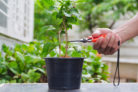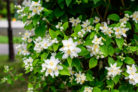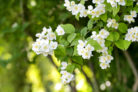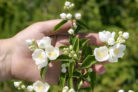
Common Jasmine is incredibly resilient and surprisingly forgiving, making it a great plant for beginners who might be a little nervous with the pruning shears. That said, timing is everything if you want to see those gorgeous, fragrant blooms and healthy growth.
Why and When to Prune Your Common Jasmine
There are a few different reasons you might want to give your jasmine a trim, and the “when” depends entirely on the “why.” Here are the main times you’ll want to head out to the garden:
- In the spring, right after its winter nap but before buds start forming.
- In the fall, once the flowering season is over and before it settles in for winter.
- Whenever an older plant needs a total “rejuvenation” makeover.
The Post-Winter Cleanup
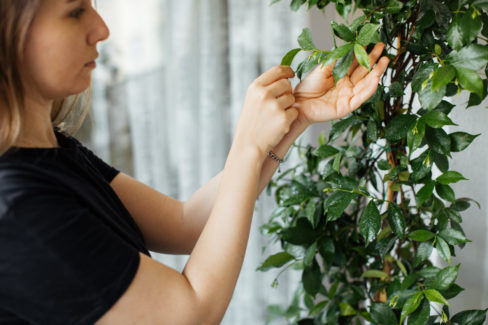
The first opportunity to prune happens in early spring. After the winter break, your main goal is a quick cleanup. Go through and snip off any parts of the plant that look dead or suffered from frost damage. Just be careful not to cut off any brand-new buds or fresh shoots! Keep this spring session light—only take off what’s absolutely necessary.
The Big Fall Prune: Post-Bloom Maintenance
The most important haircut for your Jasmine happens in the fall, after the flowers have faded. This is when you’ll want to clear out old stems, branches, and spent blooms. This encourages the plant to put its energy into new growth, which means way more flowers come springtime. Pruning now helps the plant grow back fuller and bushier. Don’t be afraid to be a bit bold here; Common Jasmine handles a heavy hand very well.
Giving Older Plants a Fresh Start
If you’ve noticed your older Jasmine isn’t blooming like it used to or the flowering season seems way too short, it might be time for a rejuvenation prune. To hit the reset button, cut the plant back by about two-thirds. It sounds drastic, but clearing out those old, woody branches allows the plant to grow back stronger. Keep in mind that for the next two or three years, you might see very few flowers (or none at all) while the plant rebuilds. But trust me, the explosion of blooms you’ll get after that wait is totally worth it!
A Quick Safety Note
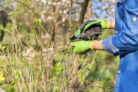
Before you grab your tools, don’t forget that Jasmine is actually quite toxic. You’ll want to protect your skin from the leaves and sap, so always wear a good pair of gardening gloves while you work. Once you’re finished, make sure to give your hands a thorough wash. Happy gardening!