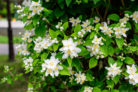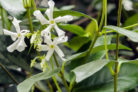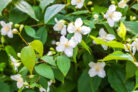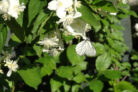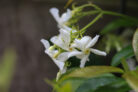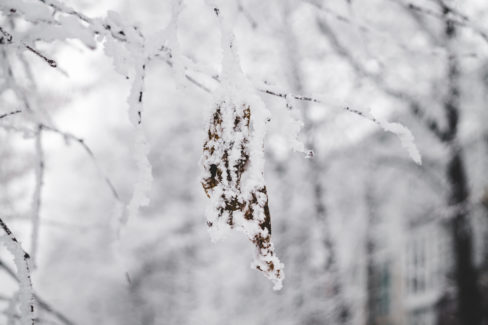
Mock Orange (Philadelphus) is a native European plant, which means it’s completely winter-hardy. It can handle those freezing temperatures way below zero without breaking a sweat. However, there are still a few things you should keep in mind to keep your shrub happy. Here’s the lowdown on getting your Mock Orange through the cold season.
Mock Orange: Built for the Cold
Unlike True Jasmine, Mock Orange is fully winter-hardy. Since it’s a native plant, it’s perfectly adapted to cold winters. It can stand up to frosty, sub-zero temperatures outdoors and doesn’t need to be moved inside or given a fancy winter setup.
Winter Care Tips
For the most part, Mock Orange is pretty low-maintenance and doesn’t need special treatment before or during winter. However, if you’re having a particularly dry winter, you should give it a little water every now and then so the roots don’t dry out. Just a heads-up: only water on frost-free days! If you water when it’s freezing, the water will turn to ice too quickly, which can do more harm than good.
Extra Protection for Young Plants
If you’ve got a very young plant, a little extra TLC can go a long way toward damage-free wintering. Since the roots of young shrubs aren’t established deep in the ground yet, they’re a bit more vulnerable to freezing.
To keep those youngsters cozy, try putting down a thick layer of mulch around the base of the plant. You can use things like:
- Compost
- Dried leaves
- Straw
- Or similar organic materials
Cover the area around the base well. This acts like a warm blanket against the frost. Alternatively, you can wrap the plant itself in some garden fleece or a burlap sack for extra protection.
A Pro Tip
Here’s a little secret: don’t bother raking up the fallen leaves from your Mock Orange! Just leave them right under the shrub. Those fallen leaves create a natural protective barrier against the cold and frost. Mother Nature knows best!
Don’t Panic Over Falling Leaves
Don’t be alarmed when your Mock Orange drops all its leaves in the fall. It’s a deciduous shrub, so losing its leaves is totally normal. It’ll bounce back in the spring with fresh green foliage and those beautiful, fragrant blooms we all love.