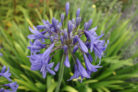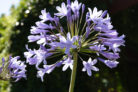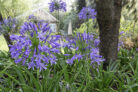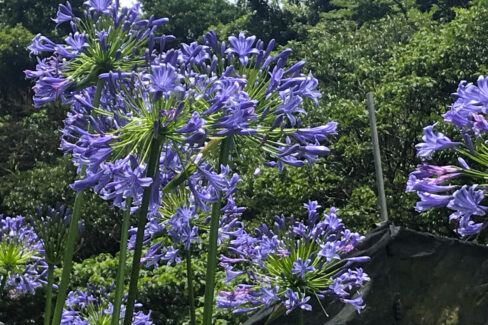
If you’ve noticed your Lily of the Nile (Agapanthus) starting to sport some yellow leaves, don’t panic! Your plant is actually trying to tell you something. By learning to read these leafy signals, you can keep your garden looking lush and vibrant. Here’s the lowdown on why those leaves might be changing color and how to get your plant back on track.
What Yellow Leaves on Your Agapanthus Really Mean
Originally from South Africa, these beauties (often called African Lilies) come in a few different varieties. Some stay green all year round, while others are deciduous, meaning they die back for the winter. If you have a deciduous variety, it’s totally normal for the plant to pull nutrients back into its roots as the weather cools, turning the leaves yellow in the process. In this case, the plant is just storing up energy in its rhizome for next year. If this happens in late fall, you’re all good!
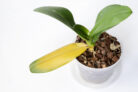
However, if you see yellowing in the spring or summer when the plant should be in its prime growth phase, that’s a red flag. Often, this means your Lily of the Nile has outgrown its home. If the rhizome is getting too cramped in its container, it’s time to divide your Agapanthus to give it some breathing room.
Here are the most common culprits for yellowing:
- The plant is root-bound (the rhizome is too big for the pot).
- “Wet feet” caused by standing water at the bottom of the container.
- Sunburn on the foliage.
Location, Location, Location
Getting the spot right is half the battle with African Lilies. These plants crave sunlight, but they’re also picky about their water intake. If the soil stays soggy and develops standing water, the roots can start to struggle. When the roots aren’t happy, they stop sending nutrients upward, which leads to—you guessed it—yellow leaves.
Another common issue happens right after overwintering. If you move your plant straight from a dark winter shelter into the harsh, direct spring sun, the leaves can actually get sunburned.
To keep your Lily of the Nile happy, double-check that its spot has great drainage. If you’re dealing with heavy soil or poor drainage, try adding a layer of gravel or clay pebbles at the bottom of the pot to help that extra water escape.