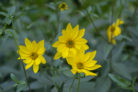
As you might have guessed from the name, the Mexican Sunflower doesn’t exactly have the word “hardiness” in its vocabulary. Usually, when we have heat-loving plants like this, we gardeners start prepping a cozy indoor spot for them to ride out the winter. But does this vibrant beauty actually want the invite?
The Mexican Sunflower in Your Garden
Standing up to 6 feet tall and spreading about 3 feet wide, the Mexican Sunflower (botanically known as *Tithonia diversifolia*) is a total showstopper in any flower bed. What really makes it stand out is its bloom time. From August through September, it puts on a show that’s a bit different from your “typical” sunflower.
Instead of one giant head, the Mexican Sunflower produces a ton of smaller blossoms that range from sunny yellow to a fiery orange-red, depending on the variety. However, once autumn rolls around and the first frost looms on the horizon, its big weakness becomes clear: it’s an annual, which means it has zero winter hardiness.
Quick Tip:
Because of its origins and its common name, it’s often grouped in with the sunflower family. Most people don’t realize that it’s not actually a “true” sunflower, even though the blooms look remarkably similar!
Why You Can’t Overwinter Them
Unlike some hardy sunflower varieties—specifically perennial sunflowers—the annual Mexican Sunflower simply won’t make it through the winter. It’s not just the leaves and stems that die back; the root ball itself cannot survive a freeze. Even if you try to bribe it with a warm spot indoors, it won’t stick around for a second season. Come fall, your to-do list is pretty straightforward:
- Collect ripe seeds for next year’s garden.
- Make sure to leave a few spent blooms on the plant during summer for seed production.
- Cut back the foliage and dig up the roots.
- Toss any healthy plant remains into your compost pile.
Fresh Sowing Instead of Overwintering
Since overwintering is off the table, the only way to get these beauties back in your garden next year is by sowing seeds—either ones you saved or a fresh pack from the store. To give them a head start, start your seeds indoors on a warm windowsill (around 65-70°F) as early as March. Just be patient! Don’t plant your young starts outside until mid-May, or a late spring frost might finish them off before they even get started.