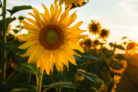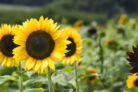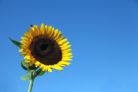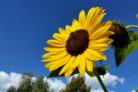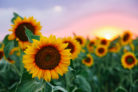
They’re gorgeous to look at, often edible, and they even do wonders for your soil. From the moment you pop a seed in the ground to the day you arrange a bouquet in a vase, there’s always something fascinating to discover about sunflowers. But there’s more to these golden giants than meets the eye! Let’s dive into their origins, botanical roots, and a few fun facts.
The Quick Facts…
- Botanical Name: Helianthus
- Family: Asteraceae (the daisy family)
- Species: About 70 species worldwide
- Origin: North and Central America
- Current Range: Grown globally
- Lifespan: *Helianthus annuus* are annuals (one season), while perennial varieties come back every year and are usually hardy.
- Uses: Oil production, livestock feed, ornamental gardening, and soil improvement (they actually help pull toxins out of the ground!)
- Edibility: Seeds from certain varieties; some perennial types even grow edible tubers.
- Height: Anywhere from 8 inches to 16 feet, depending on the variety.
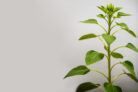
- Leaves: Green, heart-shaped, fuzzy, and serrated; they grow in an alternating pattern.
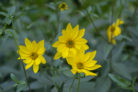
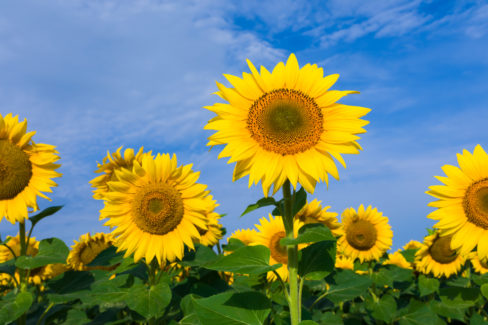
- The Bloom: The “eye” consists of tiny disk florets, surrounded by a ring of colorful ray florets (the petals).
- Bloom Size: 3 to 24 inches in diameter.
- Colors: Classic yellow to deep burgundy, and even some cool multi-colored bicolors.
- Bloom Time: Usually starts between June and August and wraps up between September and November.
Pro Tip:
The name *Helianthus* comes from the Greek words *helios* (sun) and *anthos* (flower). You might also hear the term “heliotropism”—that’s the fancy word for how the buds and leaves actually track the sun across the sky!
Growing Them in Your Garden
With so many variations in height and color, there’s a sunflower for every space. The towering giants are perfect for a sunny spot in the backyard, while dwarf sunflowers are the perfect choice for container gardening on balconies or patios.
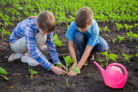
While hardy perennials will hang out in your garden for years, you’ll need to sow seeds for annual varieties every spring. To get a head start on the season, I recommend starting them indoors and moving them outside after the last frost in mid-May.
To keep your sunflowers looking spectacular, they need daily watering during the heat of summer and a good dose of fertilizer at least once a week.
Harvesting Your Seeds
Those little disk florets in the center eventually turn into seeds. You can usually start harvesting about 150 days after planting (around August). You’ll know they’re ready when the yellow petals have dried up and fallen off.
A little tip:
As soon as the flower starts to wilt, the birds will move in for a snack! If you want to save the seeds for yourself, wrap the flower head in a thin, breathable fabric (like cheesecloth). This keeps the birds out while still letting the light and air in.
Sunflowers as Cut Flowers
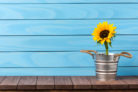
Sunflowers make stunning bouquets! When cutting them for a vase, look for heads that have just recently opened. Dip the ends of the stems briefly in hot water to help them take up moisture, and keep the vase out of direct sunlight to help them last longer. If you want to keep them forever, you can also dry them!