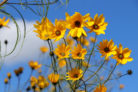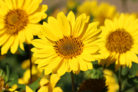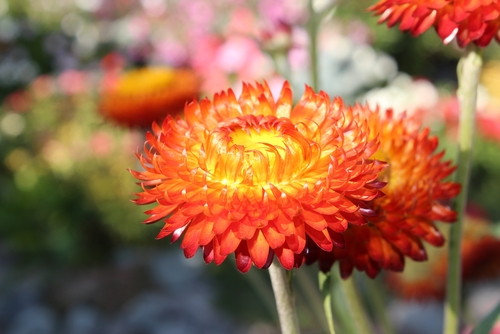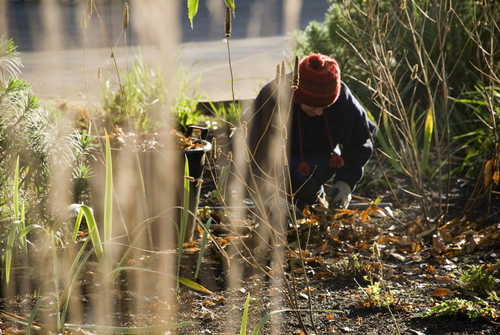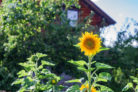
When we think of sunflowers, most of us picture that classic, giant golden disk nodding in the summer breeze. But here’s a fun fact: there isn’t just “one” kind of sunflower! There are actually over 60 species found across the globe, and they all bring something unique to the garden—especially when it comes to how they handle the cold.
Annual Sunflowers Aren’t Fans of Frost
If you’re growing the classic *Helianthus annuus*, you’re dealing with an annual. These beauties live fast and die young; they have zero frost tolerance. Even a light dip below freezing is usually game over for them. We typically plant these in mid-May and clear them out of the garden or pots once their growing season wraps up in the fall.
Why Overwintering Isn’t Worth the Effort
Even if you have a massive greenhouse or a cozy sunroom, trying to “save” an annual sunflower through the winter isn’t really a thing. It’s not just the cold that gets them—it’s their biological clock. They are hard-wired to complete their life cycle in a single year.
Instead of trying to keep the plant alive, let nature do its thing. When the flowers start to fade, don’t prune them all off right away. Leave a few on the stalk for a while so the seeds can fully ripen. Once you harvest those seeds and store them in a dry spot over the winter, you’ll be all set to plant new sunflowers in the spring for free!
Perennial Sunflowers: The Hardy Garden Heroes
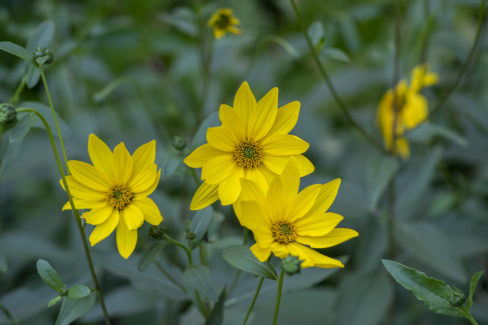
If you’re looking for something that comes back year after year, perennial sunflowers are where it’s at. They produce a ton of blooms, though they’re usually much smaller than the giant annual varieties, giving your garden a more wildflower, cottage-core vibe.
The best part? Most of these varieties are incredibly hardy. Sunchokes (Jerusalem Artichokes) are a prime example—they’re practically unstoppable and even give you delicious tubers to eat! These hardy perennials generally don’t need much winter protection, though a little mulch never hurts.
Protecting the Sensitive Types
Some perennial varieties are a bit more “delicate” when it comes to deep freezes. For these, you’ll want to cut them back close to the ground in the fall and tuck them in with a thick layer of leaves or mature compost. Just remember to rake those leaves away in the spring so the sun can warm up the soil and wake them up.
Quick Tip:
For all perennial sunflowers, stop fertilizing by September. If you keep feeding them too late in the season, they’ll focus on new growth instead of hardening off, which makes them less likely to survive the winter.
How to Overwinter Non-Hardy Perennials
There are a few perennial species that simply can’t handle a cold winter outdoors. If you have one of these, you’ll need to bring it inside:
- Dig up the plant before the first frost hits.
- Pop it into a pot with some good garden soil.
- Keep it in a cool, frost-free room.
- Give it a little water occasionally—just enough so it doesn’t bone-dry.
One last note:
The Mexican Sunflower (Tithonia) isn’t actually a true sunflower, despite the name. But since it’s often grouped in with them, just a heads-up: it’s definitely not winter-hardy and will need to spend the winter indoors if you want to see it again next year!