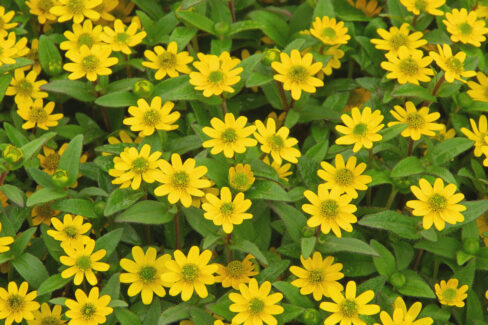
As soon as the first frost hits, the Mexican Creeping Zinnia (also known as Sanvitalia) wilts and won’t stand back up. Leaving it outside to brave a naked winter is out of the question. So, can a thick layer of mulch or a burlap wrap keep this “frost-sensitive” beauty warm? Or should you bring it into a cozy room indoors? Actually, neither!
Mexican Creeping Zinnia is not winter hardy
The Mexican Creeping Zinnia is a tough little plant when it comes to wind and rain. However, its tolerance ends the second the temperature drops. It can’t even handle a light frost, even if it’s just for a brief moment. For this reason, it is considered strictly not winter hardy.
Can you overwinter Sanvitalia?
Standard winter protection measures—the kind every gardener knows by heart—won’t save the Creeping Zinnia from its inevitable end. It doesn’t matter if it’s growing in a flower bed or a patio pot. Even moving it to a warm indoor spot won’t guarantee a second blooming season. But why?
The Creeping Zinnia pours every ounce of its energy into a single growing season. This is how it manages to bloom non-stop for months and produce a massive amount of seeds. Once that’s done, its life mission is complete, and its “battery” is literally empty. It’s very similar to the common sunflower, which shares a similar flower shape and life cycle.
There’s no way around its annual nature
Because of the reasons mentioned above, the Mexican Creeping Zinnia is only grown as an annual. To make sure you get the most out of its short but explosive blooming period, you should choose a full-sun location in your garden or place your pots on a south-facing balcony. However, don’t move it outside until the danger of frost has completely passed. In many regions, that’s not until mid-May. If you want a head start, starting your plants indoors early will help you enjoy those blooms weeks ahead of schedule.
Overwintering in seed form
There is one part of the plant that can safely spend the winter indoors: the seeds. Once the flowers fade, seed production begins. Leave a few withered blooms on the plant so you’ll have plenty of material for propagation next year. This way, you won’t have to spend a dime at the garden center for new starts! By autumn, the seeds will be ripe and ready to harvest.
- Sow seeds indoors in February.
- Cover with just a tiny bit of seed-starting mix (they need light to germinate).
- Keep them in a warm, bright spot.
- Keep the soil slightly moist.
- Prick out/transplant the seedlings once they’ve sprouted.
Pro Tip:
The long, trailing stems of the Creeping Zinnia look fantastic in hanging baskets. They play well with other plants in mixed arrangements, but make sure to plant them near the edge so they can spill over beautifully.