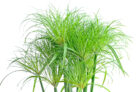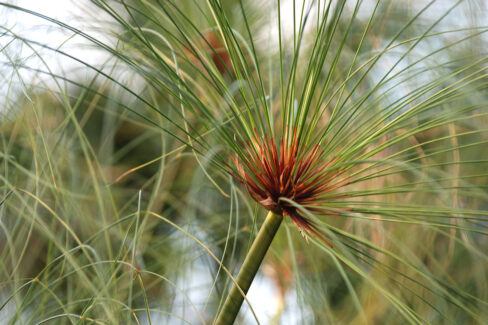
If you’re growing Papyrus, there’s one thing you need to know right off the bat: these plants are total sun-seekers and definitely not fans of the cold. In fact, it’s not just frost that’ll get them—even a chilly breeze can cause trouble. To keep your Papyrus happy and healthy, you’ll absolutely need to move it to a cozy, warm spot once the temperatures start to dip.
When should you move your Papyrus indoors?
True Papyrus is a bit of a diva when it comes to the cold; it really only thrives when it’s at least 60°F (15°C). Other varieties of Umbrella Grass are slightly more resilient but still need at least 50°F (10°C) to survive. Basically, these plants are “frost wimps” and can’t handle a winter outside. This goes for your newly propagated babies, too—they’re just as sensitive as the grown-ups.
As soon as that autumn chill hits the air, it’s time to bring them inside. They’ll need to stay tucked away until at least late May. Once the threat of a late spring frost has passed and the nights stay warm, you can safely plant them back in the garden or move their pots back onto the patio. Of course, they also make a stunning houseplant if you’d rather keep them inside year-round!
Where is the best spot for overwintering?
When looking for a winter home for your Papyrus, think bright and humid. Here are a few great options:
- A bright kitchen
- A bathroom with plenty of natural light
- A heated sunroom or conservatory
- A heated greenhouse
The goal is to find a spot that is as bright as possible and stays nice and warm. If you have a well-lit hallway or even a heated garage with big windows, those can work too. Since Papyrus loves humidity, a laundry room with a large window is often a perfect match.
How do you care for Papyrus during the winter?
Because your Papyrus will be spending the winter in a warm indoor spot, its biggest need is going to be water. Remember, this is a marsh plant! It has zero tolerance for drying out, so you’ll need to keep up with your watering routine just like you do in the summer.
Indoor heating can really dry out the air, so a great tip is to keep the pot sitting in a saucer or decorative planter filled with a bit of water at all times. As for food, you can scale back on the fertilizer during the winter months, but don’t cut it out entirely—a little snack every now and then will keep it going until spring.