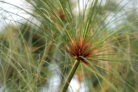
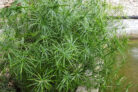
You can absolutely grow papyrus as a houseplant! While it might not reach the massive heights it does in the wild, it’ll still look stunning and stay perfectly healthy in your home.
Can any type of papyrus be grown indoors?
Generally speaking, both “true” papyrus and its cousins, the various types of umbrella palms (often called “false papyrus”), do great in pots. They do have slightly different needs, though. True papyrus is a bit of a tropical soul and needs temperatures to stay above 60°F (15°C). False papyrus is a little hardier and can handle dips down to about 50°F (10°C). Just keep in mind that none of these varieties are frost-tolerant, so they definitely need a cozy spot to overwinter indoors.
Where is the best spot for my papyrus?
Since papyrus is a marsh plant, it craves moisture—both in the soil and in the air. Dry air from your heater can be a bit of a struggle for them. Because of that, these spots are usually your best bet:
- A bathroom with plenty of natural light
- A bright, sunny kitchen
- A laundry room with a window
How do I care for papyrus as a houseplant?
The golden rule for papyrus is: never let it go thirsty! You want to keep that soil consistently wet. Unlike most houseplants that hate “wet feet,” true papyrus actually loves standing water. Keeping a little water in the saucer or decorative planter is a great way to make sure it stays hydrated. Just a heads-up: some varieties of false papyrus aren’t as fond of standing water, so double-check which one you have.
To keep the humidity levels high, give your papyrus a regular misting with filtered or soft water. If the air gets too dry, you’ll notice the leaves turning yellow pretty quickly. Don’t panic, though—once you fix the humidity, it usually bounces right back. If you’ve just planted some cuttings, they’ll need extra misting to help them take off.
Finally, give your plant a little boost with liquid fertilizer every three to four weeks. This is especially important after you’ve propagated your plant, as it needs those extra nutrients to fuel all that new growth.