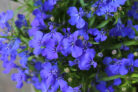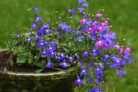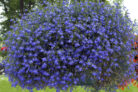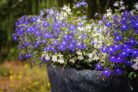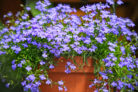
Want to enjoy those gorgeous lobelia blooms again next year? You’re in the right place! I’m going to walk you through exactly how to overwinter this ornamental beauty like a pro. We’ll cover everything from finding the perfect winter home to the specific care steps you need to take.
How does lobelia handle the cold?
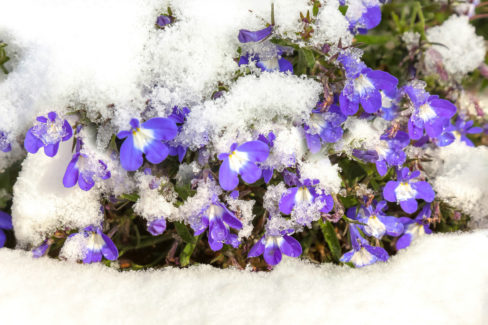
Most lobelias originally hail from the warm climates of Africa, so they aren’t exactly fans of the frost. Once temperatures dip just below freezing, these plants start to struggle. While they might survive one or two chilly nights, they definitely won’t make it through a full winter outdoors in most US climates. Unless you live in a very mild coastal or “wine country” region, leaving them outside is a no-go—and even then, you’d need some serious frost protection.
Which varieties can actually survive the winter?
There are a few exceptions to the rule! Certain types, known as perennial lobelias, are much hardier and can stay in the garden. If you want to try overwintering outdoors, look for these specific species:
- Lobelia cardinalis (Cardinal Flower)
- Lobelia sessilifolia
- Lobelia siphilitica (Great Blue Lobelia)
- Lobelia splendens
- Lobelia x gerardii
- Lobelia x speciosa
Quick Tip: Unfortunately, the most common variety we see in garden centers, Lobelia erinus (the trailing kind), is usually grown as an annual and won’t survive the winter.
The perfect indoor winter home
Standard lobelias need to come inside as soon as the thermometer hits 32°F (0°C). However, you don’t want to keep them in a room that’s too toasty. A cool spot between 40°F and 50°F (5°C to 10°C) is the “sweet spot” for dormancy. When spring starts to peek through, you can gradually introduce them to warmer temps. But don’t rush them back outside! Wait until after the “Ice Saints” or the last expected frost in mid-May before moving them back to their favorite spot in the garden bed.
Overwintering outdoors
If you have one of the hardy perennial lobelias mentioned above, you still need to prep them before the big freeze hits. Here’s your checklist:
- Start cutting back on watering around August.
- Prune the plant back in the fall.
- Protect the root system by mulching the surrounding soil with brushwood, fir, or spruce branches.
- If you have a long dry spell during the winter, give them a light drink of water occasionally.
Quick Tip: If you’re growing your lobelia in a pot or container, winter protection is non-negotiable. Because the roots are in a confined space, the soil freezes much faster than it does in the ground!