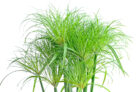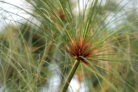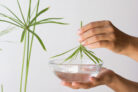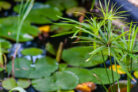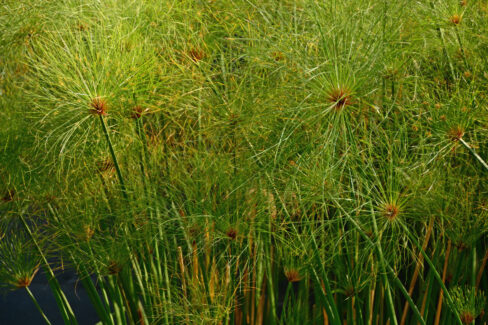
Papyrus is actually a pretty low-maintenance plant once you get its environment dialed in. Since it’s a tropical native, it can’t handle the cold, so you’ll need to bring it indoors when temperatures drop. Here’s everything you need to know about getting your papyrus settled in.
What’s the best soil for planting papyrus?
The golden rule for papyrus is simple: it loves to keep its feet wet. It isn’t too picky about the specific type of soil, but it needs a substrate that holds moisture well. If you’re using standard potting soil, try mixing in a little sand to help with the texture. If you’re using pond soil or rich compost, you don’t need to add anything extra.
Papyrus also makes a fantastic houseplant. Again, no fancy soil required here—just make sure the dirt stays consistently moist and never dries out. Once you notice the stalks have completely filled up the pot, it’s time to give your papyrus an upgrade to a larger container.
Where should you plant your papyrus?
In the wild, papyrus is a marsh plant often found along riverbanks and lake edges. To make it feel at home in your yard, look for a spot that hits these marks:
- Near a water source
- Plenty of direct sun
- Warm temperatures
- Protected from harsh winds
- High humidity
In a home garden, the edge of a pond is the perfect spot. However, keep in mind that papyrus isn’t frost-hardy, so you’ll have to dig it up before winter. A pro tip: plant your papyrus in a container from the start. It makes moving it to its winter home so much easier!
When should you move your papyrus indoors?
True Egyptian papyrus starts to struggle once temperatures dip below 60°F (15°C). Other varieties of umbrella palms (Cyperus) usually start feeling the chill around 50°F (10°C). Because of this, you’ll want to move your plant to a warm spot for overwintering by early fall.
If your papyrus is already in a pot, the move is a breeze. If it’s been living in the ground, you’ll need to transplant it into a container for the season. Don’t forget that it still needs plenty of water during the winter months, so keep that watering can handy!