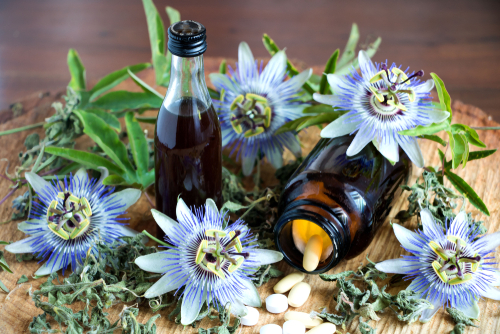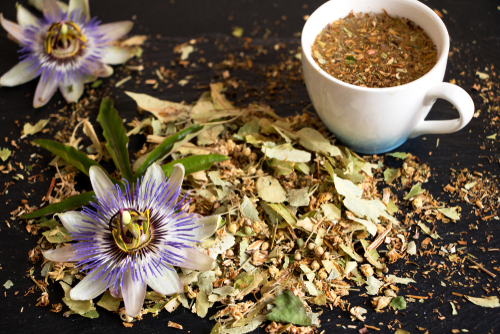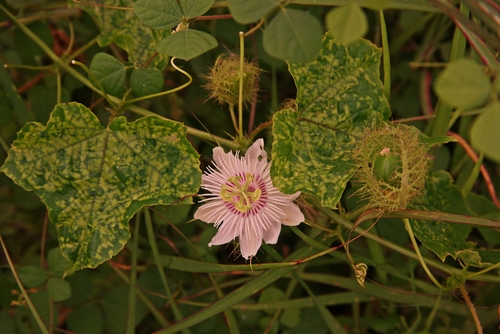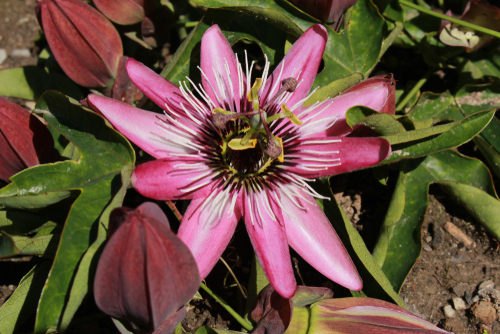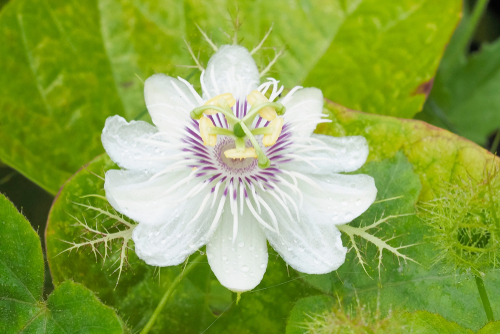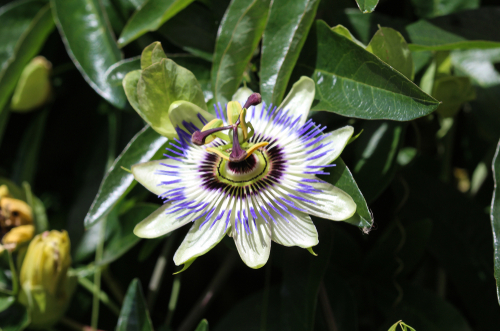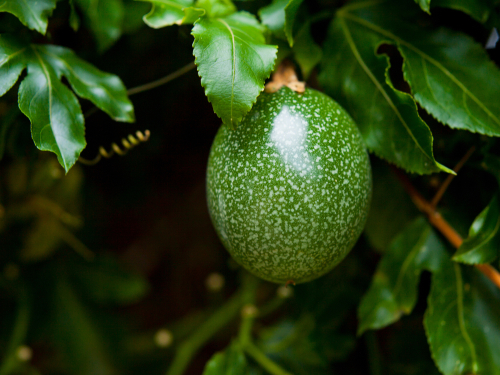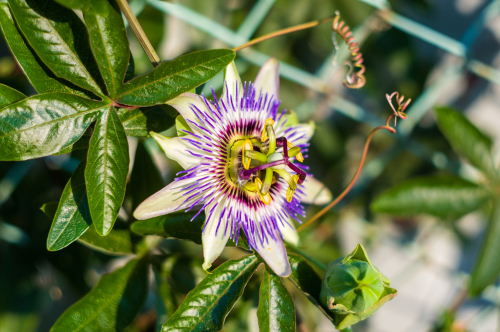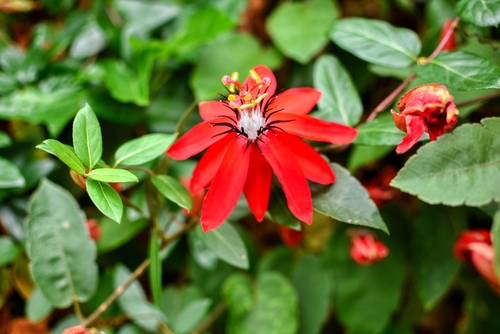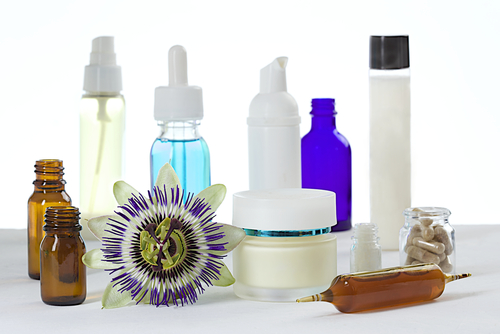
When passionflowers first made the journey from Central and South America to Europe back in the 17th century, people were mostly obsessed with their stunning, exotic looks. Back then, they were strictly ornamental. Little did those early gardeners know that these gorgeous climbers offer a lot more than just eye candy—they actually have a powerful effect on our well-being!
A Herb for Your Peace of Mind
It wasn’t until the 20th century that the passionflower really started making waves in the world of natural medicine. As a medicinal herb, *Passiflora* is fantastic for calming the nerves and helping you catch some much-needed Zs if you’re struggling with insomnia. Aside from the roots, you can use pretty much every part of this climbing plant for its therapeutic benefits. While science has officially confirmed that it does indeed have a sedative effect, researchers are still scratching their heads a bit over exactly *how* it works or which specific compounds are doing the heavy lifting.
Passionflower in Homeopathy
The soothing properties of the passionflower are also a big deal in homeopathy. You’ll often find it as a tincture or in the form of *Passiflora incarnata* globules. These little pellets are actually a bit unique; while you’ll often find passionflower mixed into “dream team” blends with other herbs like valerian, hops, or St. John’s Wort, these globules focus specifically on the power of the passionflower itself.
When to Reach for Passiflora Incarnata
If you’re looking into *Passiflora incarnata* globules, they are typically used to help with:
- Insomnia and trouble sleeping
- Nervous exhaustion
- Mental fatigue or “brain fog”
- Feeling low or down in the dumps
Beyond just daily stress, homeopathy also uses *Passiflora* to help the body bounce back after physically draining illnesses. It’s even used as a supportive tool for those recovering from the effects of drug, alcohol, or medication dependency.
Safe and Sound: No Known Side Effects
Here’s the best part for us natural-remedy lovers: so far, there’s no evidence of any nasty side effects when using passionflower preparations. It also doesn’t seem to have any negative interactions with other medications, and there aren’t any specific groups of people who need to avoid it. It’s just one of those gentle, helpful gifts from the garden!