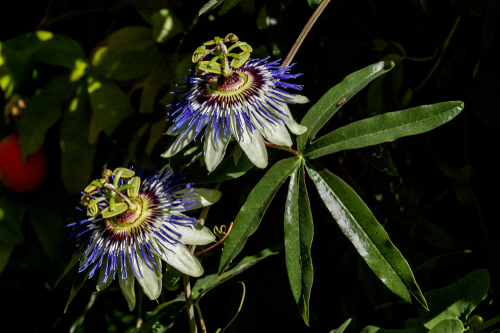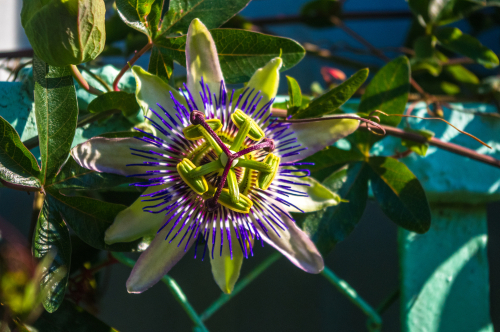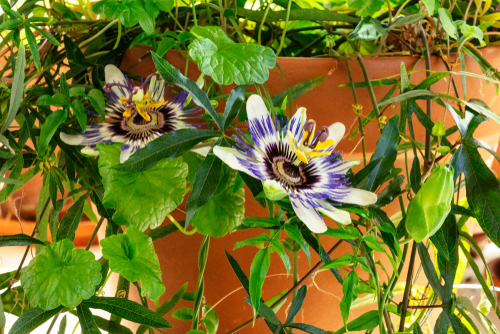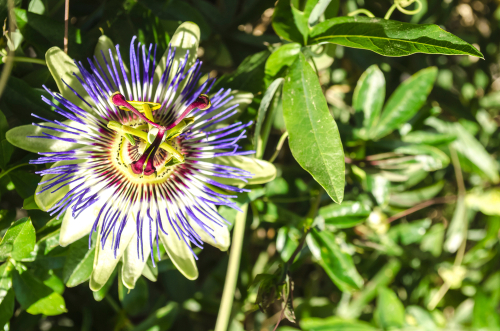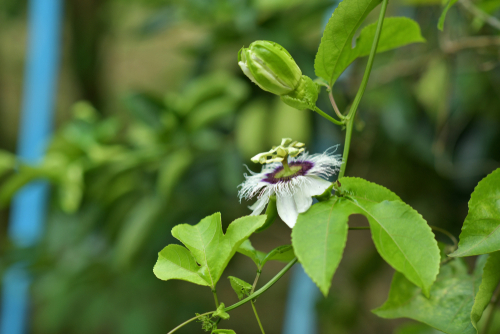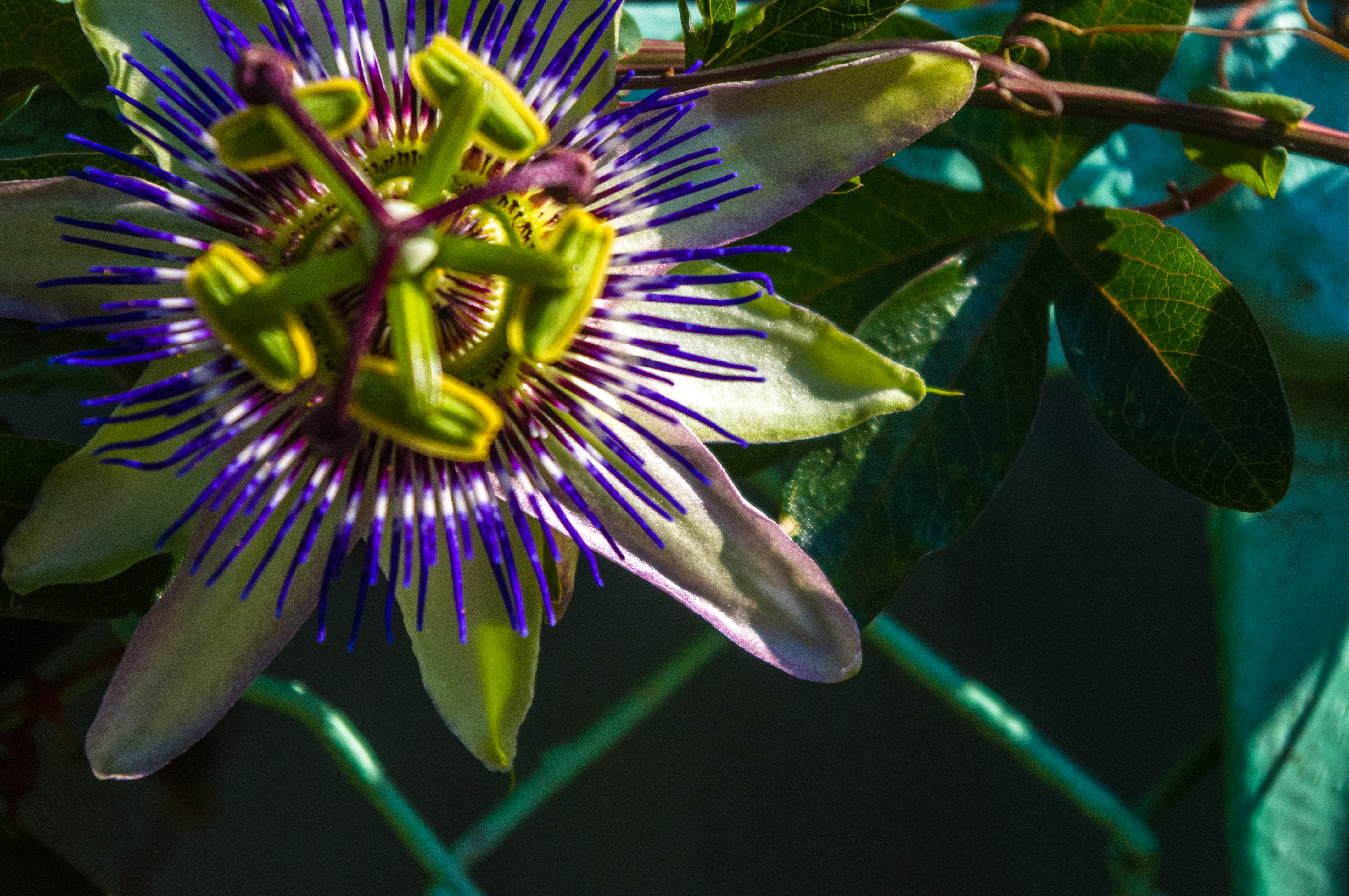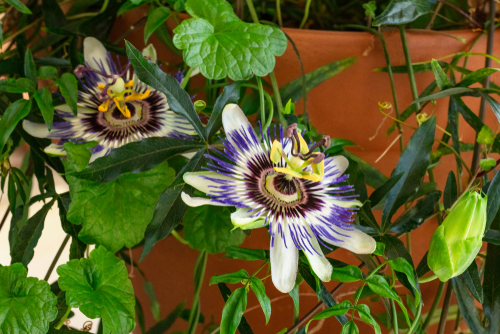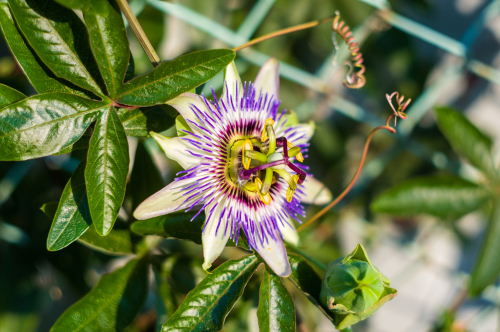
The passionflower is one tough climbing vine, and honestly, it’s pretty rare for them to get sick or deal with pests. But even the hardiest plants have their bad days! Occasionally, you might run into fungal issues, aphids, or spider mites. If you do spot trouble, you’ll want to jump into action quickly to get your plant back on track.
Dealing with Pesky Insects
Since most of the 500+ species of passionflower hail from Central and South America, these beauties absolutely crave sun and warmth. The downside? Even if you’re watering regularly, that heat can lead to dry spells that spider mites just love. Keep an eye out for tiny white dots, usually hanging out on the undersides of the leaves. If the infestation has really taken hold, you’ll probably start seeing those telltale fine, white webs.
How to Fight Back Against Spider Mites
Since many of the heavy-duty pesticides aren’t really meant for home garden use, your best bet is to manually remove any heavily infested leaves or wipe them down if the problem is just starting. To keep them from coming back, try misting your passionflowers regularly with water. They love the extra humidity, and spider mites hate it!
Fungal Issues and Sooty Mold
If you notice a black, sooty-looking film developing on the leaves or new shoots, you’re likely looking at sooty mold. This usually shows up as a “side effect” of aphids, mealybugs, or scale insects. These bugs secrete a sticky, sweet substance called honeydew, which is basically a feast for fungi. Underneath that black coating, the leaves will eventually turn yellow and drop off.
Often, the root cause of these issues is “wet feet” (waterlogging) in the pot or soil. A big red flag is if the plant looks like it’s wilting from thirst, but the soil feels damp to the touch. Preventing standing water is the absolute best way to keep your plant healthy. If the fungus has already moved in, here’s your game plan:
- Give the plant a good pruning to remove affected areas.
- Repot it into fresh, well-draining soil.