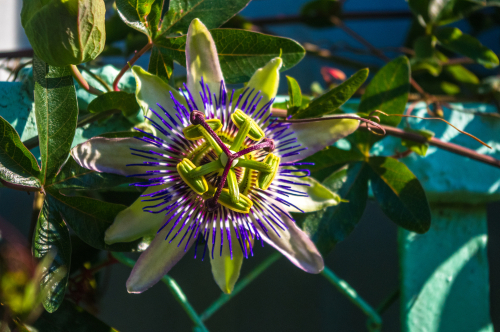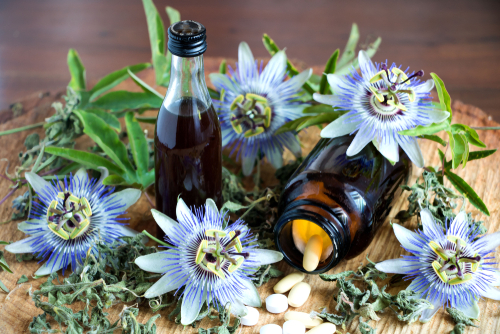
When those passionflower vines burst into bloom over the summer, there’s nothing quite like that feeling of “gardener’s pride.” But here’s the cool part: the Passiflora isn’t just a showstopper in your backyard; it’s also a powerful medicinal plant known for its incredible calming properties.
A Late Bloomer in the Medicine Cabinet
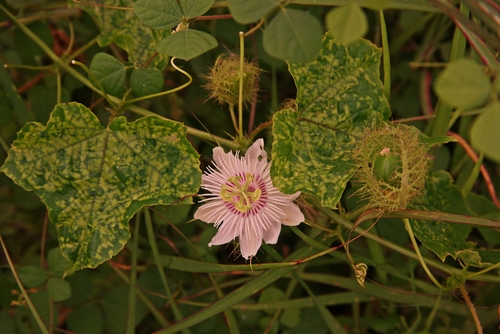
Originally, the 500+ species of this climbing vine called South and Central America home. They eventually made their way across the Atlantic to Europe back in the 17th century, but for a long time, people just treated them as pretty faces for the garden. It wasn’t until the 20th century that we really started to tap into their potential as a natural remedy.
Supplements and Safety
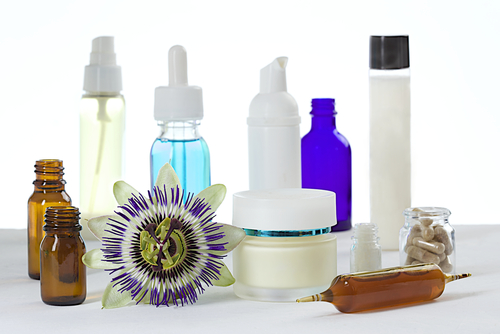
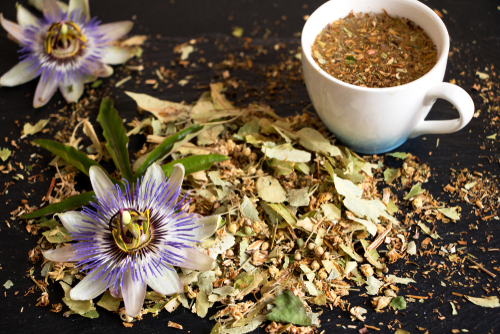
If you’re looking to try it out, you’ll mostly find passionflower in the form of herbal teas or dietary supplements. It’s actually pretty rare to find it as a standalone ingredient; more often than not, it’s blended with other “chill-out” herbs like valerian root, hops, or St. John’s Wort.
The best part? Passionflower is generally considered very safe. There are no known major side effects, and it doesn’t typically clash with other medications. That said, it’s a gentle option that almost anyone can incorporate into their wellness routine.
Here’s a quick cheat sheet on passionflower as a healing herb:
- It’s fantastic for calming the nerves and relaxation.
- While we know it works, scientists are still studying exactly *how* it interacts with our systems.
- Every part of the plant is used for herbal remedies except for the roots.
- There are no known side effects or negative drug interactions.