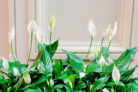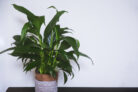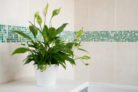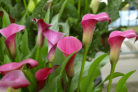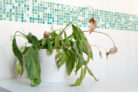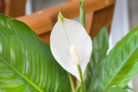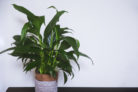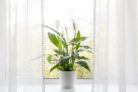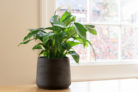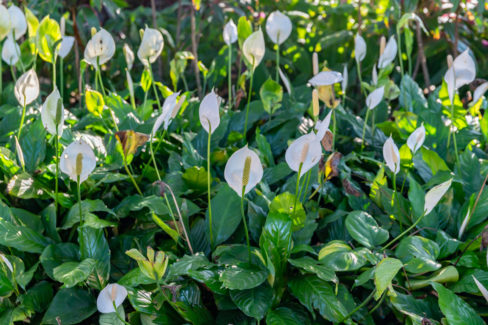
The real charm of the Peace Lily (botanically known as *Spathiphyllum*) is that gorgeous contrast between its snowy white blooms and those glossy, deep green leaves. So, when you start seeing yellow leaves popping up, it’s more than just an eyesore—it’s usually a cry for help from your plant.
The Root Causes
If your Peace Lily is turning yellow, there are usually three main culprits behind the scenes:
- Mistakes in your care routine
- The wrong spot in your house
- Unwanted pests
Care Mistakes
Water Stress
When a Peace Lily’s leaves lose their color, it’s often suffering from “water stress.” This usually happens because of:
- Inconsistent watering (going from bone-dry to soaking wet)
- Using water that’s too cold
- Standing water or “wet feet” (overwatering)
What to do:
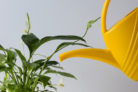
- Keep a steady schedule when watering your Peace Lily to ensure the soil stays consistently moist but not soggy.
- Use lukewarm water, as these tropical beauties are very sensitive to the cold.
- Don’t let the soil get waterlogged.
- If you’ve accidentally overwatered and the soil is swampy, repot your Peace Lily into fresh, dry soil immediately.
Nutrient Deficiency
Peace Lilies are pretty hungry plants! They need plenty of nutrients to stay lush, and they can exhaust the minerals in a small pot surprisingly fast. If they run out of “food,” those leaves will start to yellow.
What to do:
- Give your Peace Lily some fertilizer.
- Moving forward, make sure to feed it regularly during the growing season.
- Pro tip: If you’ve just repotted it, hold off on the fertilizer for a few weeks so you don’t overdo it with the fresh soil.
The Wrong Location
While Peace Lilies are famous for being low-light tolerant, they still need *some* light. If it’s too dark, the leaves will start to fade. They are also total divas when it comes to temperature; anything below 60°F (15°C) can cause trouble. Even a cracked window on a chilly night can give your plant a “cold shock.”
What to do:
- Move it to a spot with more bright, indirect light.
- Keep it away from cold drafts, AC vents, or sudden temperature swings.
Pests
If you notice yellow speckles on the leaves that eventually turn silvery or dry out, you might have some uninvited guests. The two most common culprits for houseplants are:
- Spider Mites: Tiny (0.3 to 0.6 mm), reddish-brown dots usually found on the undersides of leaves.
- Thrips: Small (1 to 2 mm), dark, slender insects that also hide on the leaf bottoms.
What to do:
- Isolate the plant immediately so the bugs don’t spread.
- Prune off the worst-affected leaves and toss them in the trash (not the compost!).
- Give your plant a “shower” in the sink or tub to wash away the pests.
- Boost the humidity: You can create a mini-greenhouse by placing a clear plastic bag over the plant for a few days.
- Keep a close eye on it! Spider mites and thrips are stubborn, so you’ll want to check back regularly.