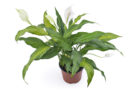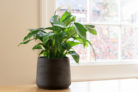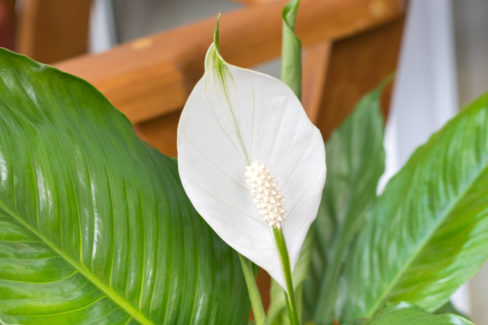
The Peace Lily (also known as Spathiphyllum) is famous for being a low-maintenance houseplant. But “easy-going” doesn’t mean “invincible.” Even the toughest plants can run into trouble if they aren’t happy. To keep yours looking its best, you’ll want to keep a close eye on its health and stick to a solid care routine.
Diseases
Peace Lilies are generally pretty hardy when it comes to diseases. However, if your plant is stressed out by poor care or a bad location, it becomes vulnerable. Here are the two main culprits you might run into:
- Leaf Spot Disease
- Root Rot
Leaf Spot Disease
Causes and Symptoms
Leaf spot is usually caused by a fungal infection (specifically from the *Alternaria*, *Ascochyta*, or *Septoria* families). You’ll know you’re dealing with it if you see:
- Reddish, yellow, or brown spots on the leaves.
- A distinct light-colored dot in the center of those spots.
- In severe cases: The dark edges of the spots start merging together, and the leaves might even develop holes.
Treatment and Prevention
If your Peace Lily is showing these signs, you need to act fast:
- Isolate the plant immediately (fungus spreads to your other plant babies very quickly!).
- Prune off the infected leaves and toss them in the trash (not the compost).
- Use a suitable fungicide to treat the rest of the plant.
Because leaf spot is incredibly stubborn, a plant that is heavily infested might be beyond saving. If it looks like a lost cause, it’s best to say goodbye and dispose of the plant in the household trash to protect the rest of your indoor jungle.
To prevent leaf spot from happening in the first place:
- Protect your plant from sunburn.
- Give your plants some breathing room—don’t crowd them too closely together.
- If you mist your plants, make sure they have enough airflow to dry off properly.
Root Rot
Root rot is a silent killer and is one of the most common ways Peace Lilies meet their end.
Causes and Symptoms
The root of the problem (pun intended!) is waterlogging. This happens when the plant gets too much water, leaving the soil constantly soggy. Look out for these red flags:
- Droopy or yellowing leaves, even though the soil is wet.
- A swampy, rotten smell coming from the pot.
Treatment and Prevention
Whether or not you can save your Peace Lily depends on if there are any healthy roots left. Here’s how to attempt a rescue:
- Take the plant out of the pot and inspect the root system.
- Trim away any mushy, rotten sections.
- Gently rinse the remaining healthy roots under lukewarm water.
- Repot the plant in fresh, dry soil.
- Hold off on watering for a bit.
If you see new growth after a few weeks, congratulations—your rescue mission was a success!
Preventing root rot is all about drainage. When watering, make sure the excess can actually escape. Always use a pot with drainage holes and add a layer of pebbles or clay shards at the bottom for drainage. Most importantly: take it easy with the watering can!