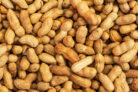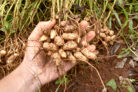
Nut allergies are super common, but here’s a fun botanical fact: peanuts aren’t actually nuts! They’re legumes. However, they pack a major punch when it comes to histamine. Because so many people are sensitive to this compound, you really have to be careful when snacking on them.
How to Spot a Peanut Allergy
Unlike most other legumes, you can actually eat peanuts raw. But if you’re an allergy sufferer, you need to be especially careful with dried peanuts, as the histamine levels are even more concentrated. While most of us—and even our furry friends—can enjoy peanuts without a hitch, they can cause serious trouble for others. Here are the symptoms to watch out for:
- Headaches
- Diarrhea
- Nausea or vomiting
- Sudden sneezing fits
- Hives or itchy skin welts
- Difficulty swallowing
- Swelling of the airways
- Shortness of breath
A mild histamine intolerance usually shows up as a tingle or slight burn on the tongue, a sudden sneezing fit, or some stomach cramps. If you notice these signs, definitely head to the doctor to get tested. Don’t brush it off—swelling in the throat and difficulty breathing can become life-threatening very quickly!
Living with Histamine Intolerance: Better Safe Than Sorry
If you do have a reaction, a doctor will likely prescribe antihistamines or decongestants and will probably tell you to keep peanuts off your plate entirely. Unfortunately, whether they are raw, boiled, or roasted, peanuts are just loaded with histamine.
You’ll also need to become a pro at reading labels while grocery shopping. Peanuts (or traces of them) hide in all sorts of things, especially pre-mixed granolas, chocolate cakes, and other processed snacks. For some folks, even a tiny trace is enough to trigger a reaction, so stay vigilant!