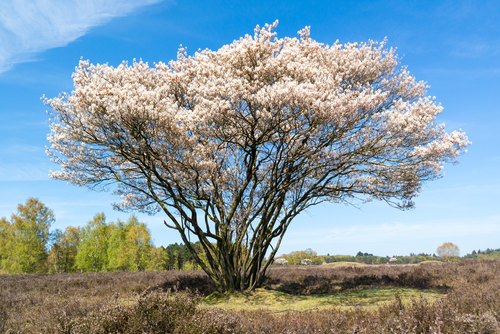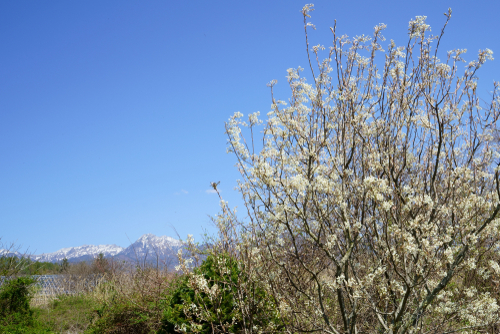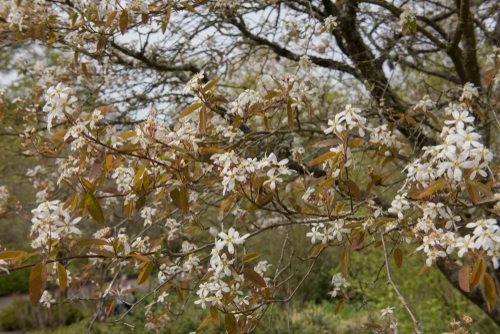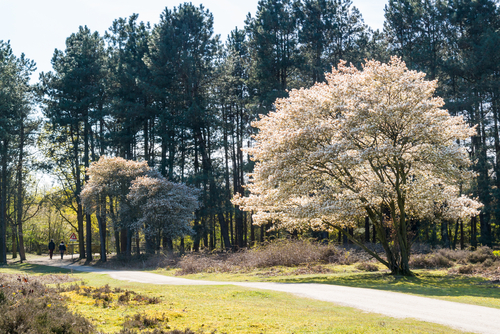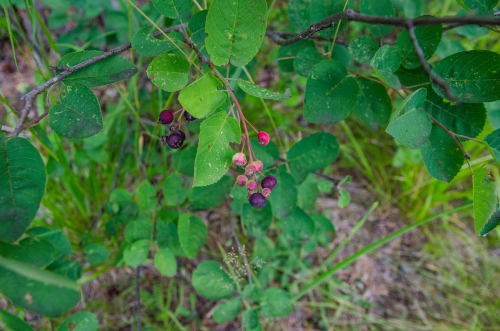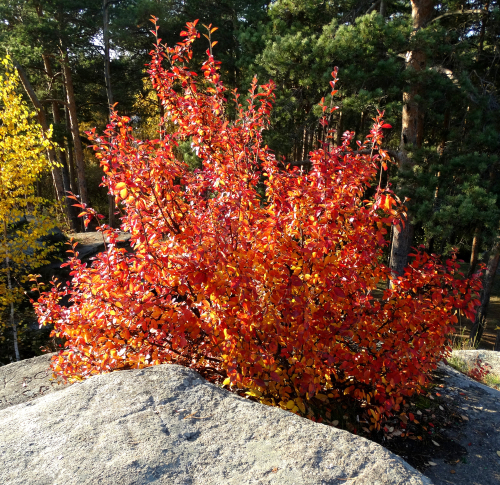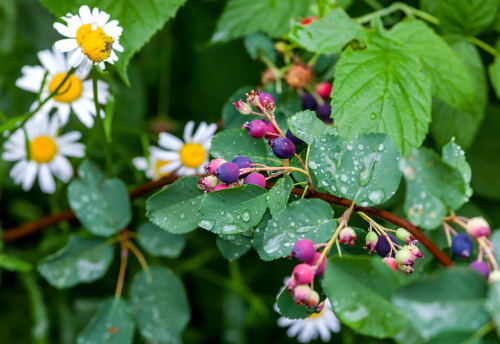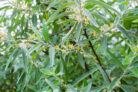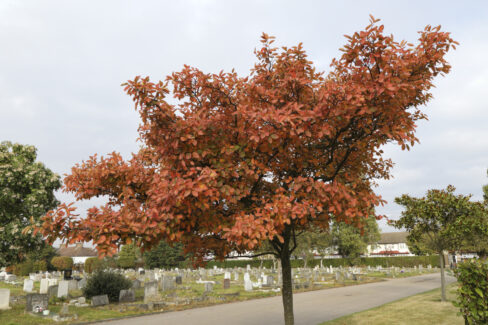
Originally native to Turkey and the Caucasus, the Serviceberry (or Juneberry) typically grows as a multi-stemmed shrub in the wild. However, if you’re looking to add a little structure to your landscape, you can actually train this beauty into a stunning single-stem tree!
The Best Time to Start
If you want to transform your Serviceberry into a “standard” (that’s gardener-speak for a tree form), you’ll need to start pruning right after planting. The best time to do this is in February. At this point, the plant is still in its winter dormancy, which is the perfect window to shape it before the spring growth spurt begins.
How to Get Started
Ready to grab your shears? Here’s how you guide your Serviceberry into its new tree shape:
- First, make sure you’ve picked out the perfect spot to plant your Serviceberry.
- Once it’s in the ground, look for the strongest, straightest shoot. This will be your future trunk.
- Remove all the other shoots right down at the root ball.
- Prune away any side branches on that main central shoot, cutting them flush with the bark.
Encouraging the Canopy
Once you’ve cleared the base, it’s a bit of a waiting game. Let that main shoot grow until the tip is about four buds (roughly 8 to 12 inches) above where you want the canopy to start. Keep in mind that once you “top” the tree by cutting those upper buds, the trunk won’t grow any taller. Until then, the plant will funnel all its energy into that single point. After you finally trim the top, the lower buds will get the nutrients they need to branch out and form a lush crown. These trees can reach a maximum height of about 20 feet, and the canopy will eventually spread out just as wide.
Spacing Tips for Multiple Trees
Because the Serviceberry develops such a massive, beautiful canopy, you really need to give it some elbow room. This is especially important if you’re planning on planting a row or a small grove. To make sure they have enough space to breathe and reach their full potential, I recommend a planting distance of about 25 to 33 feet between each tree.