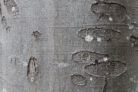
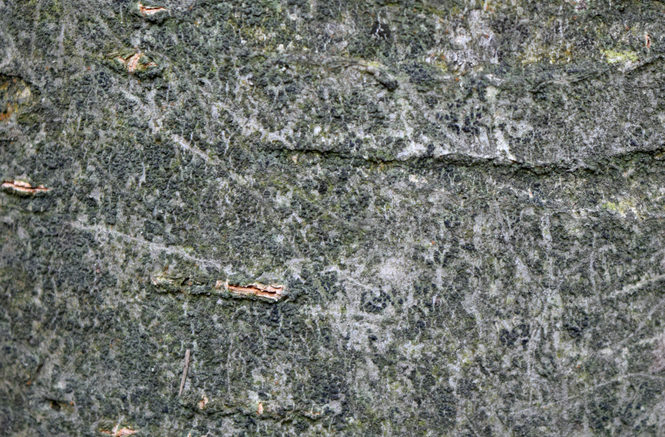
Just like us, every tree has a protective outer layer: its bark. On a pear tree, this “skin” ranges from a light tone to a deep grayish-black. It’s not just there for looks, though—it plays a huge role in keeping the tree healthy. Let’s dive into what bark actually does and how you can help keep it in tip-top shape.
The Anatomy of a Tree Trunk
If you were to look at a cross-section of a trunk, you’d see several layers working together. From the inside out, there’s the pith, the heartwood, the sapwood, and finally the inner bark (phloem) and outer bark. Together, these outer layers act as the tree’s circulatory system. The bark’s main job is to transport the sugars created during photosynthesis down to the roots and move nutrients back up.
Right between the inner bark and the sapwood lies the cambium. This is where the magic happens! The cambium produces new wood cells on the inside and new bark cells on the outside, which is exactly how the trunk grows wider year after year.
What Exactly is Bark?
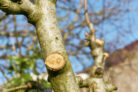
Think of bark as the tree’s armor. It protects the sensitive interior from the elements—like frost, heavy rain, and scorching heat—as well as hungry insects and nasty fungi. It’s just as vital to a tree as skin is to a human.
Bark even has its own built-in “first aid kit.” If the tree gets a nick or a scratch, it can often heal itself by oozing resin. This natural sealant plugs the wound beautifully, keeping infections at bay.
Caring for Your Pear Tree’s Bark
Sometimes, nature needs a little helping hand. If you notice apple or pear canker spreading on the trunk or branches, the best thing you can do is perform a little “surgery.” Use a sharp, sterilized knife to cut out the growth, making sure to reach the healthy wood underneath. Once you’ve cleared it out, seal the wound with grafting wax or paraffin to help it heal.
Winter can also be tough on pear trees, especially when it’s sunny. Because the bark is dark, it absorbs heat during the day, but then the temperature plummets at night. This rapid back-and-forth can cause the bark to crack. To prevent this, many gardeners use a white lime wash. The light color reflects the sunlight, keeping the trunk cool and stable.
Here’s a simple recipe for a DIY protective wash:
- Find or buy some clay or loam chunks.
- Crush the chunks into small crumbs and dissolve them in water.
- Keep adding water until you have a thick, paint-like consistency.
- Apply the mixture all over the trunk of your pear tree.
- The best time to do this is in late autumn, around November, before the deep freeze sets in.
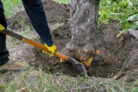
Pro Tip: To give pests a harder time finding a winter home, grab a blunt tool in the fall and gently scrape away any loose, flaky bits of bark. This removes the cozy hiding spots where insects love to lay their eggs!