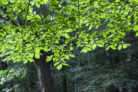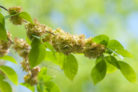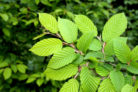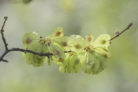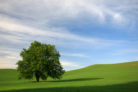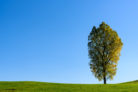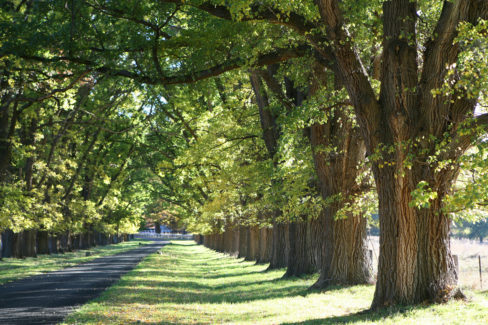
The elm tree is a true heavyweight of the forest. Not only can these deciduous beauties live for several hundred years, but they also boast some pretty impressive growth rates. If you’re curious about what makes these trees so special, I’ve put together a handy guide with all the essential facts and info.
Elm Tree Essentials
You’ll find elms growing as both majestic trees and smaller shrubs. Here’s a quick breakdown of the elm tree’s “stats”:
- Its scientific name is *Ulmus*.
- It belongs to the deciduous tree family.
- There are roughly 30 different species of elm worldwide.
- These trees are in it for the long haul, living up to 400 years.
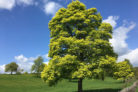
- They can reach towering heights of 100 to 130 feet (30 to 40 meters).
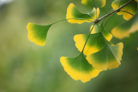
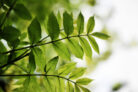
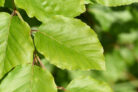
- Elm leaves are famous for being asymmetrical with jagged, saw-like edges.
- They have a round to oval shape.
- Heads up: they look a lot like hazel leaves, so don’t mix them up!
- Good news for foragers—elm leaves are actually edible and quite useful.
- Elms are deciduous, meaning they’ll drop all their leaves in the fall and winter.
- The flowers are pretty subtle and have a slightly hairy texture.
- They usually bloom early in the season, between February and April.
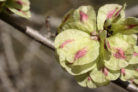
- Once those flowers are pollinated, they turn into small nutlets, often called samaras.
- These are round and about an inch (2.5 cm) wide.
- A quick tip: these seeds lose their ability to sprout very quickly, so they need to hit the soil fast!
- Elms start with a deep taproot, but as they get older, they develop a “heart” root system for extra stability.
- Elm wood is known for being very porous.
- The color ranges from a warm yellowish hue to a deep reddish-brown.
Where Do They Grow?
Elms are mostly found across the Northern Hemisphere. Out of the 30+ species, about 20 are native to Asia. In Europe, you’ll mainly run into three specific types:
- The Field Elm,
- The European White Elm (Flatterulme),
- And the Wych Elm (Bergulme).
How We Use Them
Elm wood is a favorite for furniture making because of its beautiful grain. But it’s not just for woodworking—the fruits and leaves are edible and can be used to whip up natural home remedies. In fact, various parts of the elm tree have a long history of use in Traditional Chinese Medicine.
Common Pests and Problems
Even these giants have their weaknesses. The most common diseases and pests you’ll see affecting elms are Dutch Elm Disease and the elm bark beetle. They are also unfortunately quite susceptible to various fungal infections.