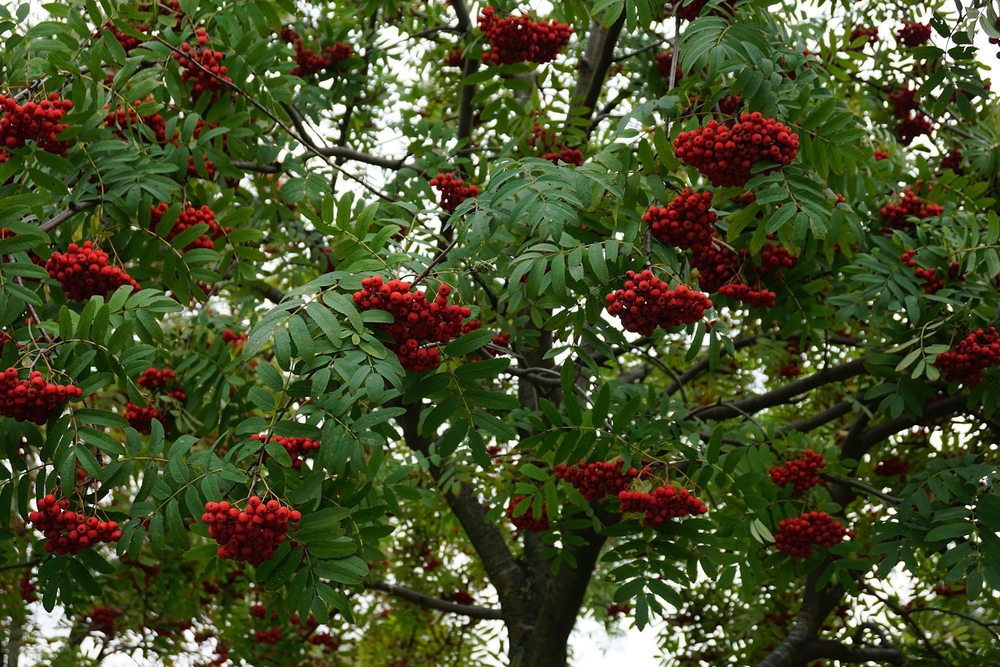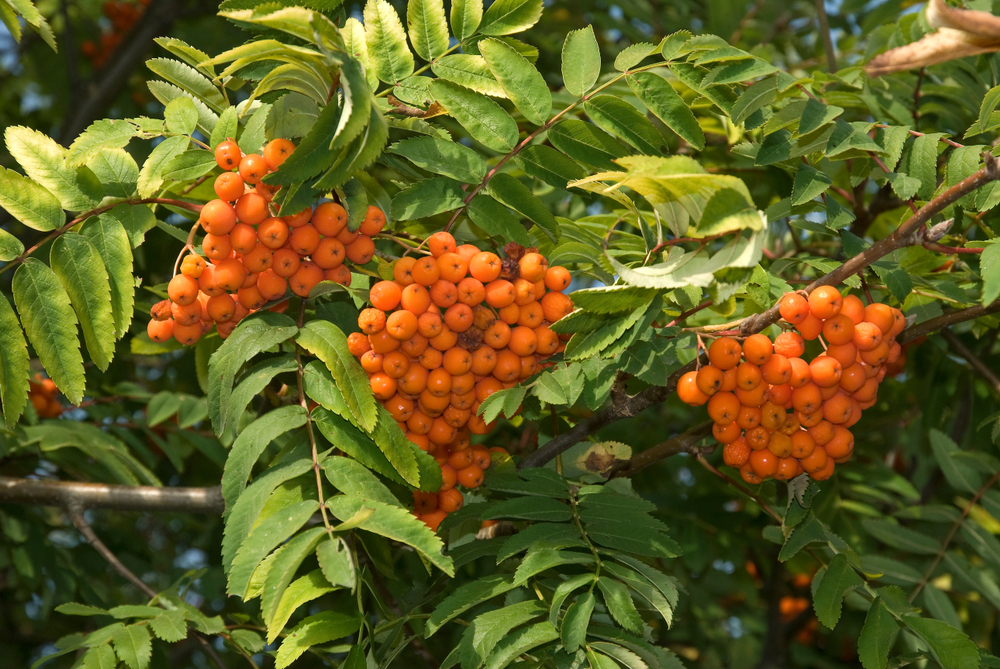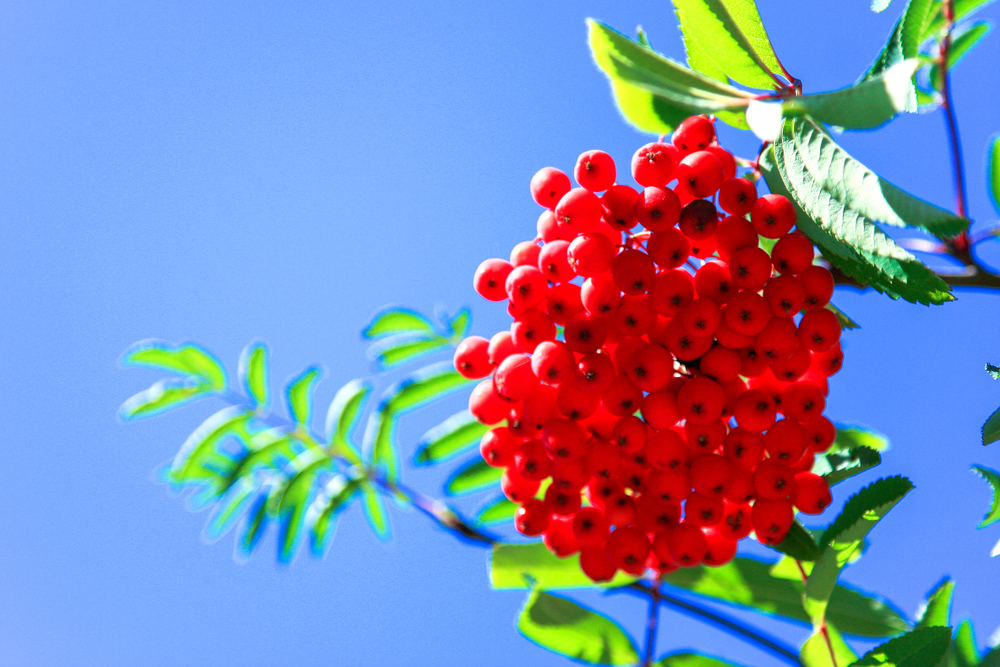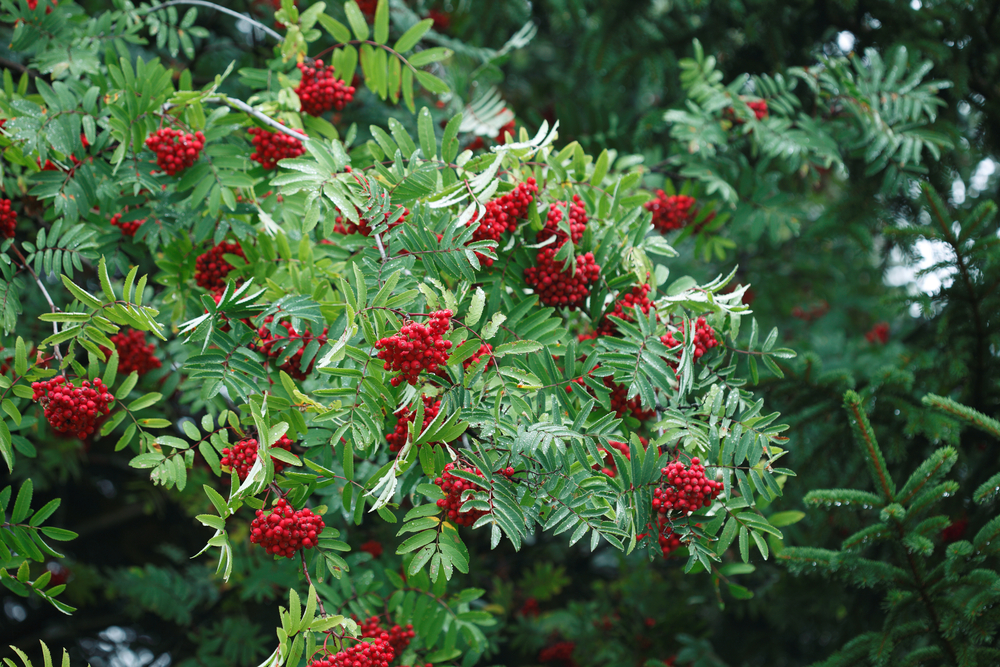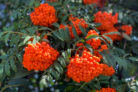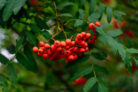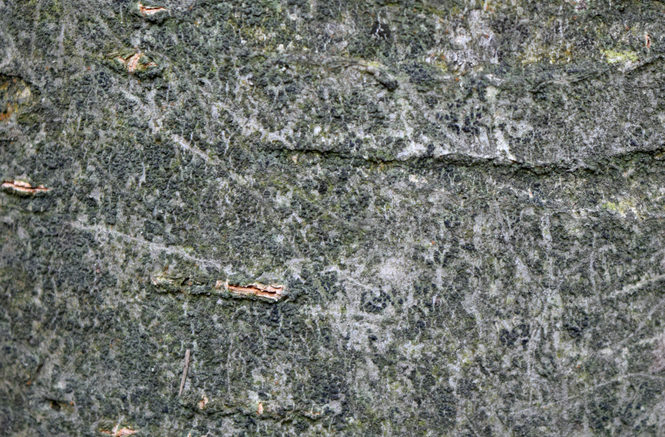
Most of us know the Rowan tree—or Mountain Ash, as we often call it here in the States—thanks to those stunning clusters of bright orange-red berries that birds absolutely love. But there’s a lot more to this tree than just its fruit! If you take a closer look at the bark, you’ll find some pretty fascinating details that tell the story of the tree’s life.
Getting to Know the Bark
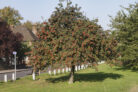
The Mountain Ash is a relatively dainty tree, usually sporting a lovely rounded or oval crown that feels nice and airy. Its trunk is slender and cylindrical, with branches that reach upward at a jaunty angle. When the tree is young, the bark is smooth, shiny, and can range in color from yellowish-green to a soft gray. As the tree gets older, that shine fades into a more matte, understated gray.
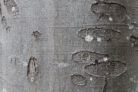
If you look closely, you’ll notice horizontal slits called lenticels. Think of these as the tree’s “breathing pores.” They are small openings in the outer layer where the cork cells aren’t tightly packed, allowing the tree to swap gases with the air around it. It’s basically how the tree takes a deep breath!
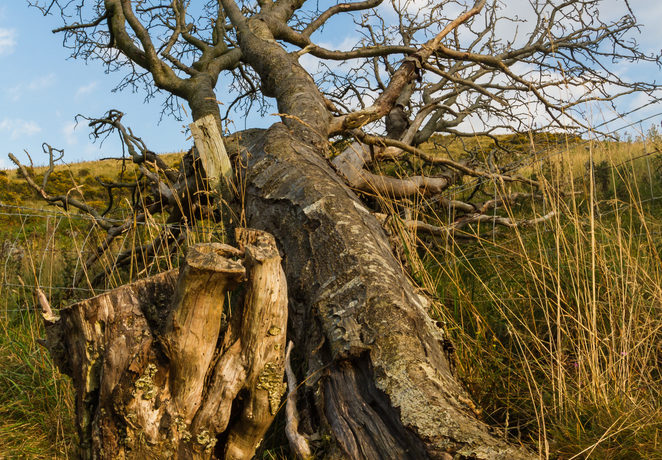
As the tree reaches its golden years, the bark starts to develop fine cracks. Some older trees even grow dark, almost black, deeply furrowed bark near the base of the trunk. Here’s a cool pro-tip: if you scratch a twig, you’ll find green chlorophyll underneath. This actually allows the tree to start photosynthesizing in early spring before the leaves even pop out! Plus, woodworkers love the Mountain Ash; the heartwood has a gorgeous pattern that’s perfect for woodturning, carving, and fine crafts because it’s nice and sturdy.
Watch Out for These Bark Diseases
Unfortunately, the bark can sometimes run into trouble. Bacterial or fungal infections—often referred to as “canker”—can cause some serious issues over time. These pathogens usually sneak in through open wounds, those lenticels we talked about, or even old leaf scars. You’ll first notice some swelling on the trunk, which eventually cracks open as the disease progresses.
This often happens after pruning your tree. To keep your Mountain Ash healthy, always use sharp tools to ensure clean cuts that heal quickly. It’s also a great habit to disinfect your shears, saws, and knives with rubbing alcohol before and after use. And whatever you do, try not to snap or tear branches off by hand—those jagged breaks are like an open door for pests and diseases!