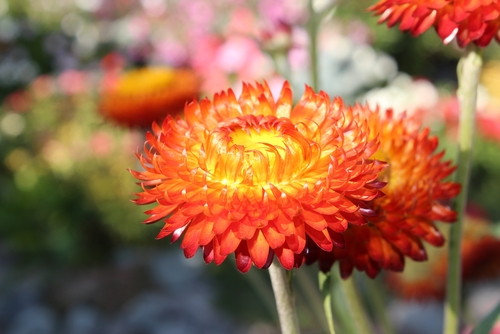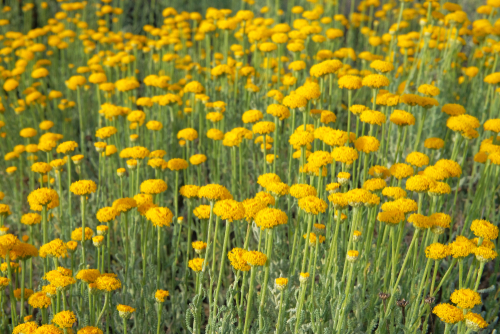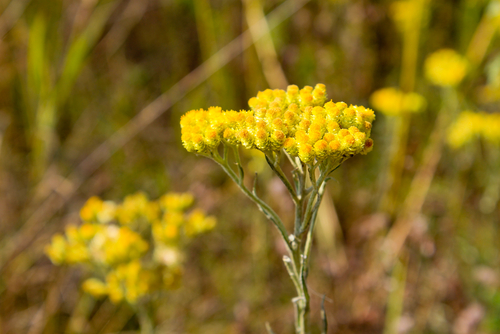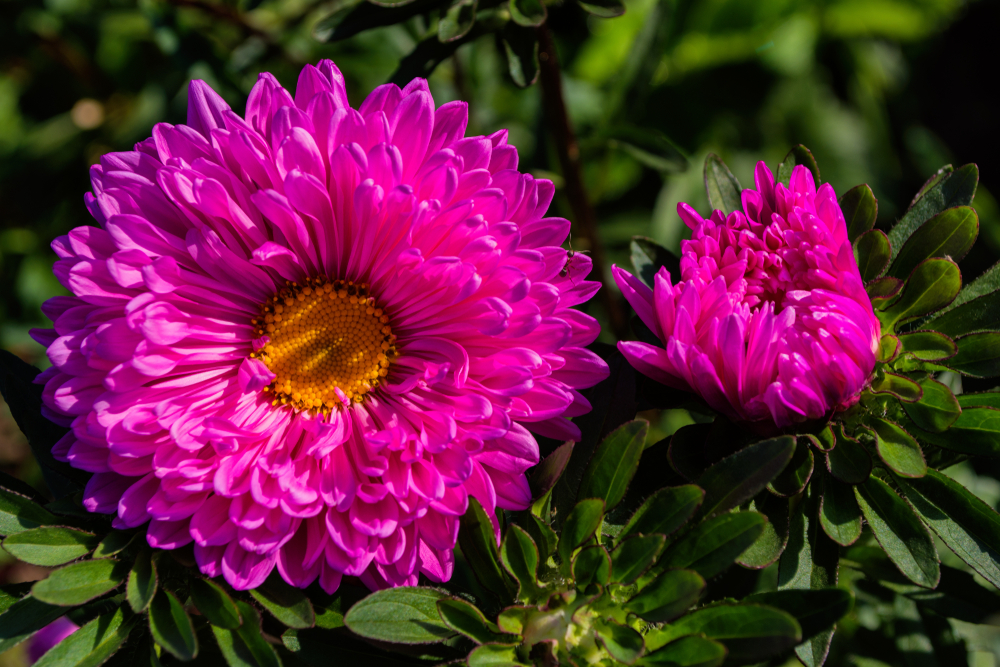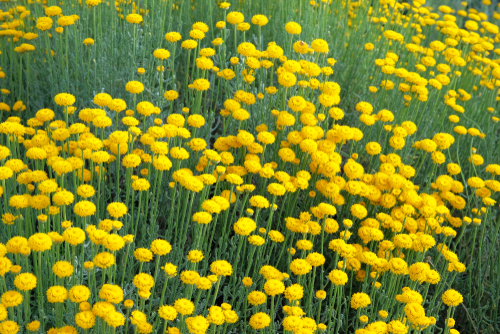
Strawflowers are incredibly versatile, popping up everywhere from the chilly landscapes of Scandinavia to the sunny spots in Central and Southeast Europe. This wide range is thanks to the fact that there are actually over 600 different species of strawflowers! Because they come from such diverse climates, their ability to handle a frost varies quite a bit from one variety to the next.
Planting Winter-Hardy Varieties
When you’re shopping at your local nursery, you’ll find plenty of varieties labeled specifically as “hardy.” These are usually species native to Northern and Central Europe or hybrids bred specifically for colder climates. If you have these in your garden, give them a radical haircut in the fall by cutting them back right to the ground. Afterward, tuck them in for the winter by covering the root area with a thick layer of mulch, dry leaves, or brushwood. This bit of maintenance does two things: it keeps the ground from freezing solid and helps prevent the roots from getting too soggy during the winter thaw.
Tips for Annual Strawflowers
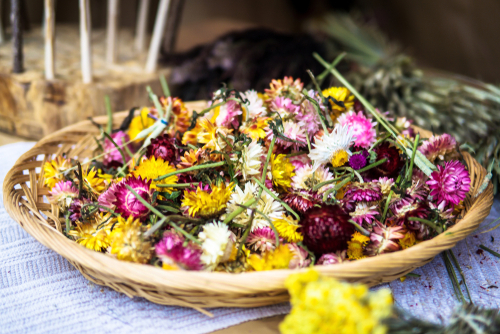
If you’ve fallen in love with your annual strawflowers and aren’t ready to say goodbye when the temperature drops, your best bet is to plant them in pots from the start. Once fall hits, you can simply bring the pots indoors and set them on a sunny windowsill. Another great option is to cut and dry them. Strawflowers are famous for keeping their vibrant colors long after they’ve dried out. Plus, their petals are naturally papery and tough, so they won’t crumble like other dried flowers. Just a pro tip: if you’re planning on making dried bouquets, cut the blooms just before they are fully open for the best look.
Growing Strawflowers from Seed
The good news is that even if your plants don’t make it through a harsh winter, strawflowers are excellent at self-seeding. They’ll often drop their own seeds in the garden, giving you a fresh batch of blooms the following year without any extra work. Of course, if you want a head start, you can easily start seeds indoors on a windowsill starting in March. Here’s how to do it:
- Lightly cover the seeds with a thin layer of soil.
- Keep the soil consistently moist (but not waterlogged!).
- You should see little sprouts popping up within about two weeks.