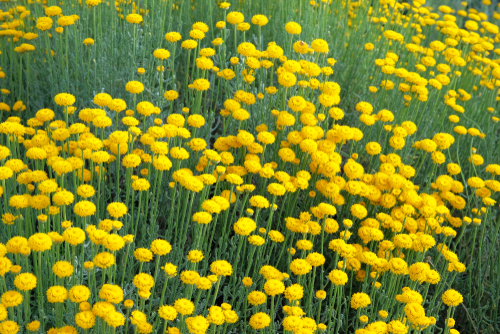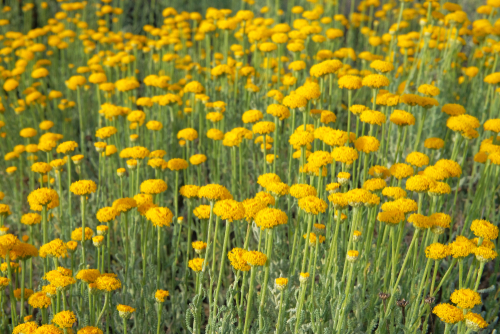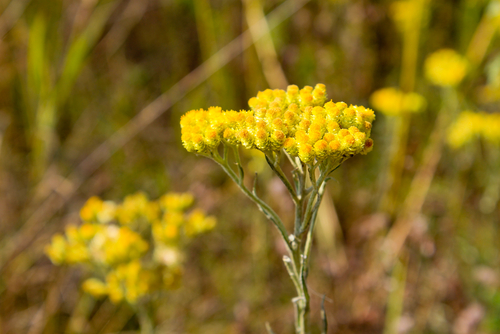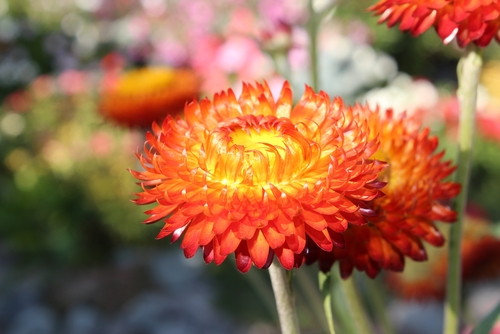
If you’re wondering whether strawflowers can survive the winter, the answer isn’t a simple “yes” or “no.” It really comes down to the variety you’re growing. With over 600 different subspecies ranging from the chilly climates of Scandinavia to the sunny Mediterranean, their cold tolerance varies quite a bit.
Choosing the Right Varieties
When you’re shopping at the garden center, you’ll find plenty of perennial varieties labeled as hardy. Generally, these are species native to Northern and Central Europe (or hybrids bred from them) that are built to handle a bit of a freeze.
Pruning for the Winter
If you have one of these perennial types, a little prep work goes a long way. In the fall, you’ll want to cut the plant back right down to the ground. Once that’s done, give the root area a cozy “blanket” by covering it generously with fallen leaves or brushwood. This layer acts as insulation, protecting the roots from both deep frost and excessive winter moisture. If you don’t have leaves handy, garden fleece works great too!
Annual Strawflowers
On the flip side, annual strawflowers aren’t meant to last until next year—once the season is over, they’re done. However, you can stretch out their beauty! If you grow them in pots, move them inside to a sunny windowsill once the weather turns chilly to keep them blooming a bit longer.
Of course, the best way to enjoy strawflowers year-round is by drying them. They are actually one of the best flowers for dried arrangements for a couple of reasons:
- Unlike many other plants, they keep their vibrant, natural colors even after they’ve dried out.
- Their petals are naturally stiff and sturdy, so they don’t fall apart or shed like other dried flowers do.
Pro tip: If you’re planning to dry your strawflowers, make sure to cut them *before* they are in full bloom. This helps them hold their shape perfectly as they dry!