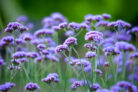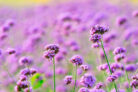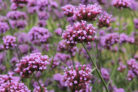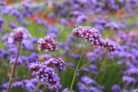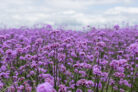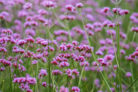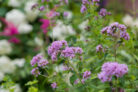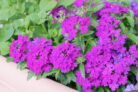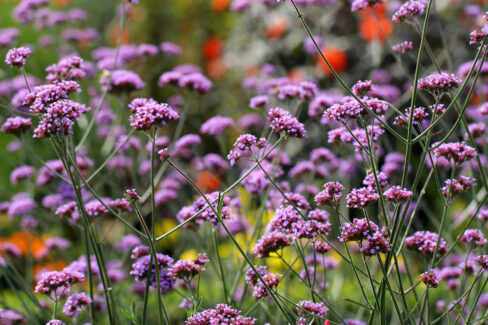
In the wild, you’ll find both annual and perennial verbenas—which makes sense, considering there are over 70 different species in the genus! Depending on where a specific variety originated, some perennials are actually grown as annuals here in the States because they just can’t handle our colder winters.
Which verbenas will stick around for a few years?
If you want verbena in your garden year-round, you don’t necessarily need a variety that’s “hardy” in the traditional sense. Many verbenas propagate all on their own by self-seeding. This means you can enjoy these beauties for years without having to lift a finger!
Technically speaking, only a truly hardy verbena (like Common Vervain) will survive a tough winter completely unscathed. Even then, a little winter protection like mulch or brushwood goes a long way, as does choosing a planting spot that stays safe from waterlogging.
Is it worth overwintering verbenas?
If you’re looking at it strictly from a “dollars and cents” perspective, overwintering verbena isn’t always worth the effort. When you factor in the time and the space they take up indoors, many gardeners find it easier to just start fresh in the spring.
However, it’s a different story if you’re gardening with an eco-friendly mindset. If you want to avoid wasting healthy plants, overwintering is a great choice. Plus, verbena is a fantastic pollinator plant! By planting and keeping them alive, you’re doing a huge favor for your local bees and butterflies.
What should I do with my verbena during the winter?
Tropical verbena varieties need a frost-free spot to spend the winter—ideally somewhere bright, cool, and airy. You’ll want to prune the plant back significantly in the fall. This not only saves space in your indoor setup but also helps the plant survive on less water. You’ll still need to water it occasionally, just don’t overdo it. Wait until May (or after the last frost) to move your verbena back out to the patio or balcony.
Quick Highlights:
- Over 70 different species available
- Can be annual or perennial depending on the variety
- Bloom time: From May until the first frost (usually October)
- Magnets for bees and other beneficial insects
- Seed ripening: July through October
- Treat sensitive varieties as annuals or move them to a frost-free spot for winter
Pro Tip: Common Vervain isn’t just a famous medicinal herb; it’s also a powerhouse for attracting bees and pollinators to your yard!